
Which Component Provides Fall Protection for Aerial Platform Devices?
1. Introduction
Aerial platform devices, also known as aerial work platforms or mobile elevating work platforms, are widely used for construction, building maintenance, equipment installation, warehouse operations, electrical work, and other tasks performed at height. Because operators and workers are elevated above the ground, preventing falls is one of the most important safety considerations when using this type of equipment.
The main fall-protection component on most aerial platforms is the platform guardrail system. Guardrails create a physical barrier around the working platform and help prevent operators from accidentally stepping or falling over the platform edge. Depending on the equipment design and applicable regulations, additional components such as entry gates, toe boards, approved anchorage points, full-body harnesses, and lanyards may also form part of the fall-protection system.
It is important to understand that fall protection is not provided by just one component in every situation. The appropriate system depends on the type of aerial platform, its design, the manufacturer's instructions, the working environment, and applicable safety regulations. This article explains the major fall-protection components used on aerial platforms and how they work together to protect workers.
2. What Is an Aerial Platform Device?
An aerial platform device is equipment designed to raise workers, tools, and sometimes materials to an elevated working position. Common examples include scissor lifts, boom lifts, vertical mast lifts, and other personnel lifting platforms.
Scissor lifts move the platform mainly vertically, making them suitable for work where access is required directly above the machine's base. Boom lifts use an articulated or telescopic boom to position the platform at different heights and horizontal distances.
Aerial platforms are commonly used for building maintenance, lighting installation, construction, warehouse maintenance, tree work, industrial inspection, and facility repairs.
Because workers operate above ground level, the platform must provide suitable protection against falls. The design normally combines physical barriers with other safety systems to create a controlled working area.
3. Which Component Provides Fall Protection?
For many aerial platforms, the guardrail system surrounding the work platform is the primary component that provides fall prevention.
A typical guardrail system consists of a top rail, intermediate rail, and toe board. Together, these components create a barrier around the platform. The guardrail prevents the operator from unintentionally moving beyond the platform edge during normal operation.
The platform entrance is also important. An entry gate or approved access chain helps close the opening through which the operator enters the platform. Leaving the entrance unsecured can create an additional fall hazard.
The guardrail system should remain properly installed, securely attached, and in good condition. Operators should never remove, modify, or climb on the guardrails unless the equipment manufacturer specifically provides a safe procedure for the particular task.
Therefore, when asking which component provides fall protection on an aerial platform, the simplest answer is generally the platform guardrail system. However, additional personal fall-protection equipment may be required depending on the machine and working conditions.
4. Role of the Personal Fall-Protection System
A personal fall-protection system is different from a guardrail system. Instead of physically preventing a worker from reaching the edge, personal equipment connects the worker to an approved anchorage point.
A typical personal system can include a full-body harness, connecting device such as a lanyard, and an approved anchorage point.
The exact equipment and method depend on the aerial platform and applicable requirements. In some situations, a system is intended to restrain the worker from reaching a hazardous position. In other situations, specialized equipment may be designed to arrest a fall.
Workers should not assume that any convenient point on the machine can be used as an anchorage. Only designated and approved anchorage points should be used when personal fall protection is required.
The manufacturer's operating instructions should always be followed because the permitted attachment points and fall-protection requirements can differ between machines.
5. Guardrails vs. Harness Systems
Guardrails and harness systems provide protection in different ways.
A guardrail is a form of collective fall prevention. It creates a physical barrier that protects people inside the platform without requiring each person to connect to an individual system.
A harness and connecting device form part of a personal fall-protection system. This system protects an individual worker and may be required in particular operating situations.
Guardrails should not simply be removed because a worker is wearing a harness. The guardrail system remains an important part of the platform's design and should normally remain in place.
The correct approach depends on the aerial platform, manufacturer's instructions, applicable regulations, and the specific task being performed.
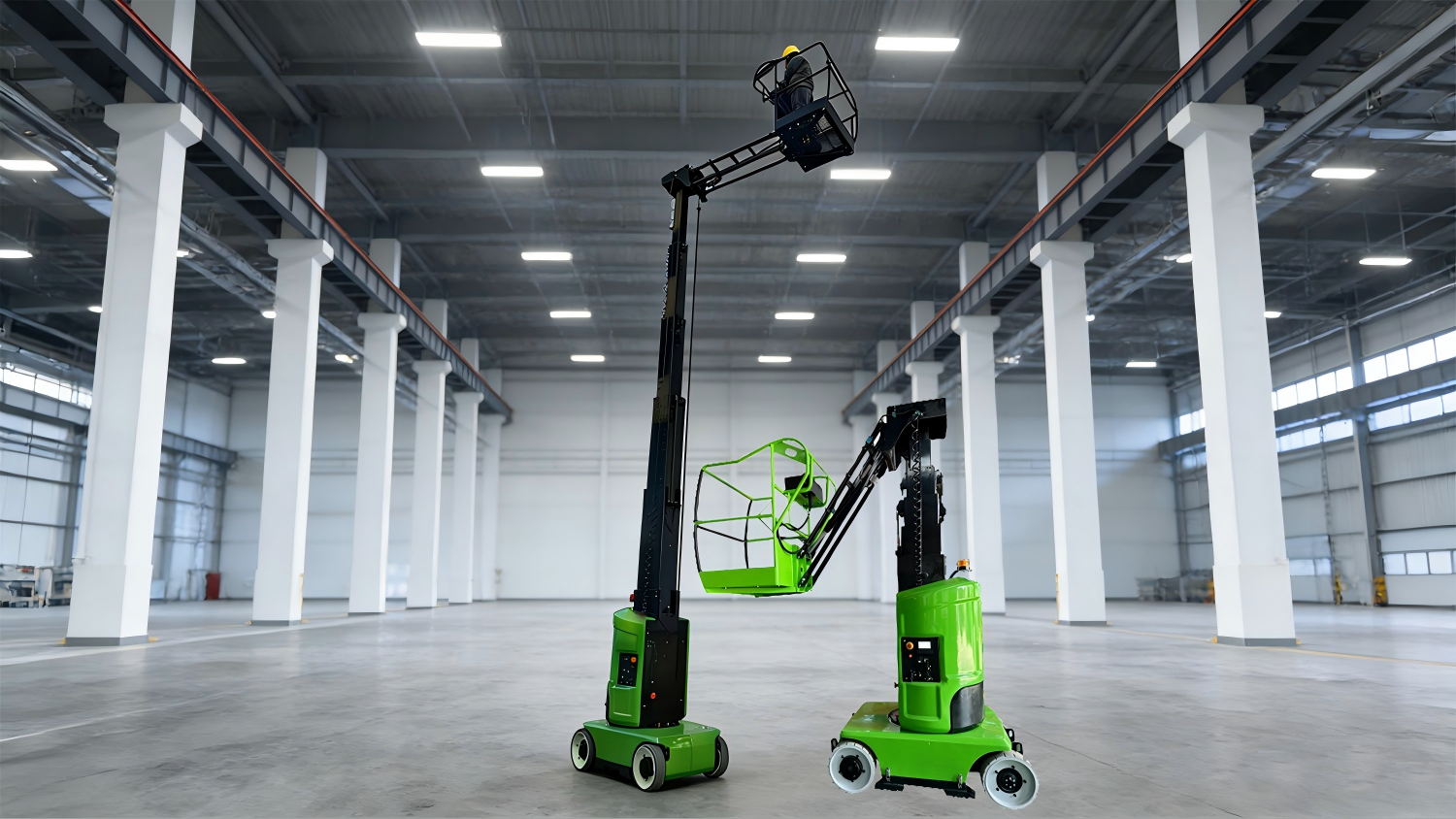
6. Main Fall-Protection Components on an Aerial Platform
Several components can contribute to fall prevention and fall protection.
Platform guardrails create the primary physical barrier around the working area.
Top rails and intermediate rails help prevent workers from moving through or over the edge of the platform.
Toe boards help reduce the risk of objects and equipment falling from the platform and can also contribute to keeping workers within the protected platform area.
Entry gates or self-closing gates protect the platform entrance opening.
Approved anchorage points provide designated attachment locations when a personal fall-protection system is required.
Full-body harnesses are designed to distribute forces across the body when used as part of an appropriate personal fall-protection system.
Lanyards and other connecting devices connect the harness to an approved anchorage point according to the applicable system requirements.
Together, these components can form a comprehensive fall-protection arrangement.
7. Fall Protection on Scissor Lifts
Scissor lifts generally have a platform surrounded by guardrails. The guardrail system is the main physical barrier that protects workers from falling from the platform.
The entrance area should have an appropriate gate or access system, and the opening should be secured during normal operation.
Scissor-lift operators should keep their feet on the platform floor and avoid standing on guardrails, toe boards, boxes, ladders, or other objects to gain additional height.
The platform should not be modified with homemade extensions or other unauthorized structures.
If a particular scissor lift has an approved anchorage point and the manufacturer's instructions or applicable requirements call for personal fall protection, the operator should use the designated system correctly.
8. Fall Protection on Boom Lifts
Boom lifts require particular attention because the platform can move vertically and horizontally while the boom is extended.
The platform guardrail system provides a physical barrier around the work area. The entrance gate should be properly secured during operation.
Depending on the machine and applicable requirements, workers may also need to use a personal fall-protection system connected to a designated anchorage point.
Operators should never climb onto guardrails to obtain additional working height. They should also avoid leaning excessively outside the platform.
Because boom movement can cause sudden changes in platform position, maintaining a stable working position and following the manufacturer's operating instructions are particularly important.
9. Fall Protection on Vertical Mast and Other Platforms
Vertical mast lifts and other compact personnel platforms also use guardrails or enclosed platform structures to protect workers.
These machines are commonly used for indoor maintenance, warehouse work, electrical installation, and facility inspection.
The specific fall-protection arrangement depends on the machine design. Some platforms may have fixed guardrails, while others may have gates or additional safety features.
Operators should understand the particular design before using the machine. They should never assume that the fall-protection system on one model is identical to that on another.
Manufacturer instructions should always be checked for requirements concerning platform access, guardrails, anchorage points, harnesses, and other safety equipment.
10. Requirements for Guardrails and Anchorage Points
Guardrails must be structurally sound and properly secured. Operators should inspect them before use for loose fasteners, deformation, cracks, corrosion, or other visible damage.
The configuration and dimensions of guardrails are generally governed by applicable standards and regulations. Requirements can differ depending on the country and equipment category.
Anchorage points are equally important when personal fall protection is used. They must be specifically designed and approved for that purpose.
Workers should never connect a lanyard to a guardrail, control handle, hydraulic component, lifting chain, or other component unless the manufacturer specifically identifies it as an approved anchorage point.
Using an unsuitable attachment point can compromise the entire fall-protection system.
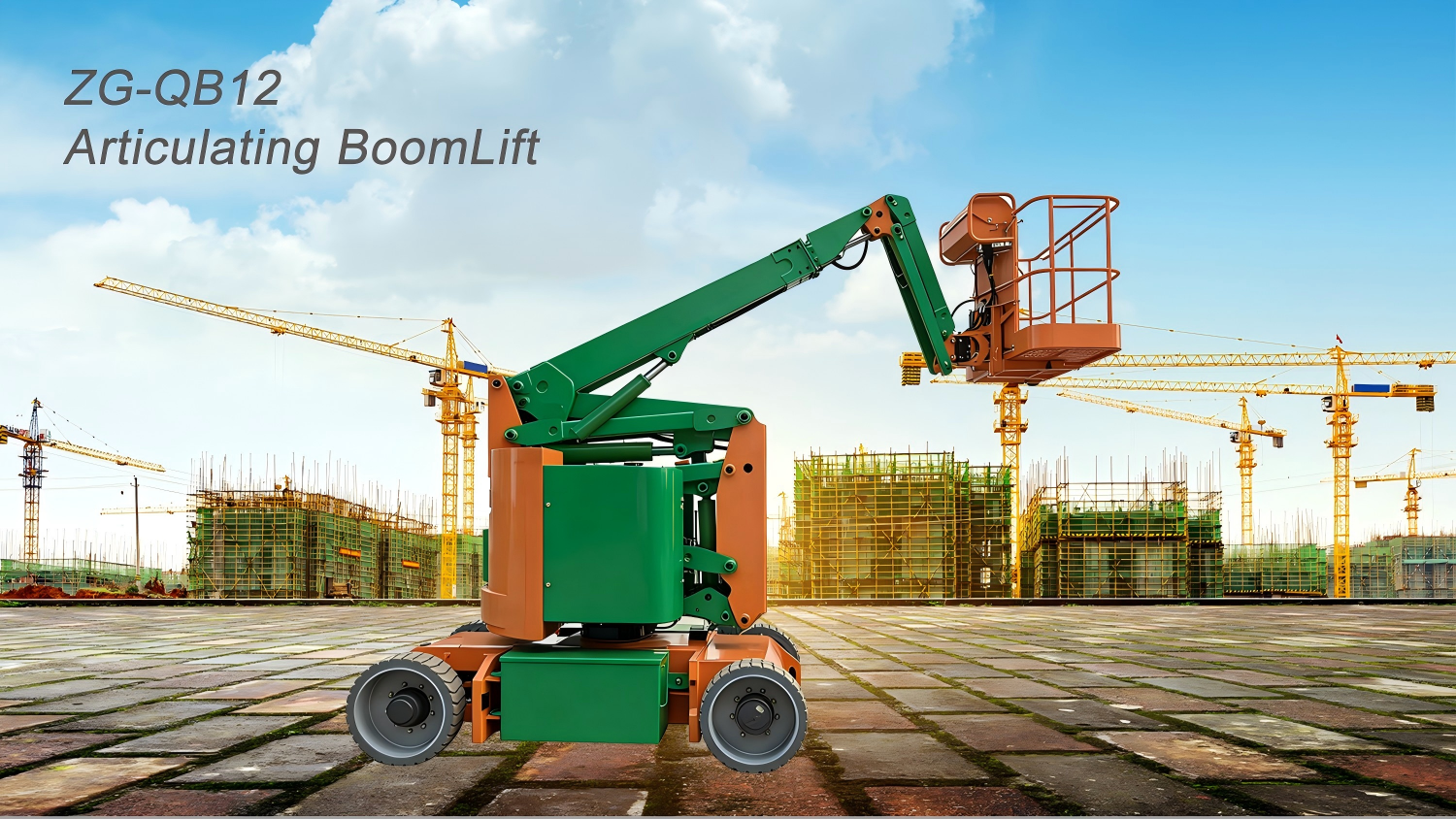
11. Common Fall-Protection Mistakes
Several common mistakes can increase fall risks when using aerial platforms.
One is removing or lowering guardrails to make it easier to access a work area. Another is climbing onto guardrails or toe boards to gain additional height.
Workers should also avoid using boxes, ladders, pallets, or other improvised objects on the platform.
Another mistake is connecting a lanyard to a non-approved location. Even if a component appears strong, it does not necessarily mean that it is designed to serve as a fall-protection anchorage.
Damaged harnesses, lanyards, gates, guardrails, or anchorage points should not be used.
Operators should also avoid exceeding the platform's rated capacity, because excessive loads can affect machine stability and safe operation.
12. Inspection and Maintenance of Fall-Protection Components
Fall-protection components should be inspected before operation.
Guardrails should be checked for cracks, bending, corrosion, loose fasteners, and other damage. Entry gates should operate correctly and remain secure.
Anchorage points should be checked for visible damage or deformation.
Harnesses and lanyards should be inspected according to the manufacturer's instructions. Workers should look for cuts, fraying, damaged stitching, corrosion, deformation, or other signs of deterioration.
Any damaged fall-protection equipment should be removed from service according to the applicable procedures.
Regular maintenance and inspection records can help fleet managers track the condition of safety equipment and identify problems before the equipment is returned to service.
13. Regulations and Standards for Aerial Platform Fall Protection
Fall-protection requirements vary by country, equipment type, and working environment.
In the United States, OSHA regulations address fall protection and safe operation of aerial lifts and related equipment. ANSI/SAIA standards also provide important guidance for mobile elevating work platforms.
In Europe and other markets, different regulations and standards may apply, including relevant EN standards for mobile elevating work platforms and personal protective equipment.
Because regulations can change and requirements differ between jurisdictions, equipment owners and operators should consult the applicable local regulations and the manufacturer's instructions.
Compliance is not simply about having a harness or guardrail. The entire system must be suitable for the equipment and work activity.
14. How to Choose the Right Fall-Protection System
The first step is to identify the type and model of aerial platform being used.
Next, check the manufacturer's operating manual to determine the required guardrail configuration, platform access requirements, anchorage points, and personal fall-protection requirements.
The working environment should also be considered. Outdoor construction work, indoor maintenance, work near edges, and other specialized applications may create different hazards.
If personal fall protection is required, the harness, connecting device, and anchorage system must be compatible and appropriate for the intended application.
Workers should also receive proper training before operating or working from an aerial platform.
15. Operator Training and Safe Work Practices
Proper training is an essential part of fall protection. Even the best safety equipment cannot compensate for unsafe operation.
Before using an aerial platform, operators should understand the machine's controls, capacity, platform limitations, emergency procedures, and fall-protection requirements.
Workers should enter and exit the platform using the designated access point. The platform gate should be properly secured during operation.
Operators should maintain a stable position inside the platform and avoid climbing on guardrails or using unauthorized objects to increase working height.
When a personal fall-protection system is required, workers should understand how to inspect and use the harness, connecting device, and approved anchorage point.
Employers should also establish suitable emergency and rescue procedures for elevated work.
16. Conclusion
The platform guardrail system is generally the primary component that provides fall prevention on aerial platform devices. Top rails, intermediate rails, toe boards, and platform gates work together to create a protected working area.
Depending on the aerial platform, work conditions, manufacturer requirements, and applicable regulations, additional personal fall protection such as a full-body harness and approved anchorage system may also be required.
The most important point is that fall protection should be treated as a complete safety system rather than a single piece of equipment. Properly maintained guardrails, approved anchorage points, suitable personal protective equipment, regular inspections, operator training, and compliance with applicable requirements all contribute to safer aerial platform operations.
Post time:Aug.21.2026
