
What Size Forklift Capacity Do I Need for Warehouse Loading Trucks?
1. Introduction
Choosing the correct forklift capacity is one of the most important decisions for warehouses, logistics companies, manufacturing plants, and distribution centers. A forklift that is too small may struggle to safely handle heavy pallets, reducing productivity and increasing the risk of accidents. On the other hand, an oversized forklift usually costs more to purchase, consumes more energy or fuel, requires wider operating space, and increases operating expenses without providing significant benefits for most warehouse applications.
When loading trucks, forklifts are expected to perform efficiently in confined spaces while handling varying pallet sizes and weights. Whether loading delivery trucks, semi-trailers, shipping containers, or flatbed trucks, selecting the appropriate forklift capacity directly affects loading speed, worker safety, equipment lifespan, and overall warehouse efficiency.
Many buyers assume that choosing the highest-capacity forklift is the safest option. However, forklift capacity should always match the actual workload. Factors such as pallet weight, load dimensions, lift height, warehouse aisle width, trailer height, and daily operating hours all influence the ideal forklift size.
Most warehouse loading operations use forklifts ranging from 2.0 to 3.5 tons, but the right capacity depends entirely on your specific application. A warehouse handling lightweight consumer products requires different equipment than one loading steel products, construction materials, or industrial machinery.
This guide explains how forklift capacity is measured, compares different capacity classes, discusses the factors that influence forklift selection, and provides practical recommendations for choosing the best forklift for warehouse truck loading operations.
2. Understanding Forklift Capacity
Forklift capacity refers to the maximum weight a forklift can safely lift under specified conditions. Manufacturers determine this rating using standardized testing procedures that consider the load center, mast position, and lifting height.
The rated capacity is usually measured with a standard 500 mm or 600 mm load center, depending on regional standards and forklift design. The load center represents the distance between the vertical face of the forks and the center of gravity of the load.
For example, a forklift rated at 2,500 kg with a 500 mm load center can safely lift that weight only when the load's center of gravity remains at 500 mm. If longer pallets or oversized loads move the center of gravity farther forward, the actual lifting capacity decreases.
Lift height also affects forklift capacity. As the forks rise higher, the forklift's center of gravity changes, reducing overall stability. Manufacturers therefore provide load charts showing the safe lifting capacity at different heights and load centers.
Forklift attachments can also reduce lifting capacity. Side shifters, fork positioners, carton clamps, rotators, and other hydraulic attachments add weight to the carriage while moving the load farther from the mast. Operators should always consider these reductions before selecting equipment.
Another important distinction is between rated capacity and working capacity. Although a forklift may technically lift its maximum rated load, many warehouses intentionally operate below maximum capacity to improve safety, reduce wear, and increase equipment longevity.
Understanding these principles allows buyers to accurately evaluate forklift specifications instead of relying solely on the advertised capacity number.
3. Common Forklift Capacity Classes for Warehouse Applications
Forklifts are available in a wide range of capacities to accommodate different warehouse operations. Selecting the right size ensures safe handling, maximum productivity, and lower operating costs. Below are the most common capacity classes used for warehouse truck loading.
1.5-Ton Forklifts
Forklifts with a 1,500 kg capacity are suitable for handling lightweight palletized goods in retail stores, supermarkets, pharmaceutical warehouses, and small distribution centers. They are compact, easy to maneuver, and ideal for narrow aisles, but they are generally not recommended for loading heavy industrial trucks.
2.0-Ton Forklifts
A 2,000 kg forklift is a popular choice for warehouses handling consumer goods, packaged products, electronics, and light manufacturing materials. It provides greater lifting capacity while maintaining excellent maneuverability, making it suitable for loading delivery trucks and smaller trailers.
2.5-Ton Forklifts
The 2.5-ton forklift is considered one of the most versatile warehouse forklifts. It comfortably handles most standard pallets while remaining compact enough for indoor warehouse operations. This capacity is widely used in logistics centers, wholesale warehouses, food distribution, and manufacturing facilities.
3.0-Ton Forklifts
A 3-ton forklift offers additional lifting capability for heavier palletized goods such as construction materials, metal components, machinery parts, and industrial equipment. Many warehouses choose this capacity because it provides extra safety margins without significantly increasing operating costs.
3.5-Ton Forklifts
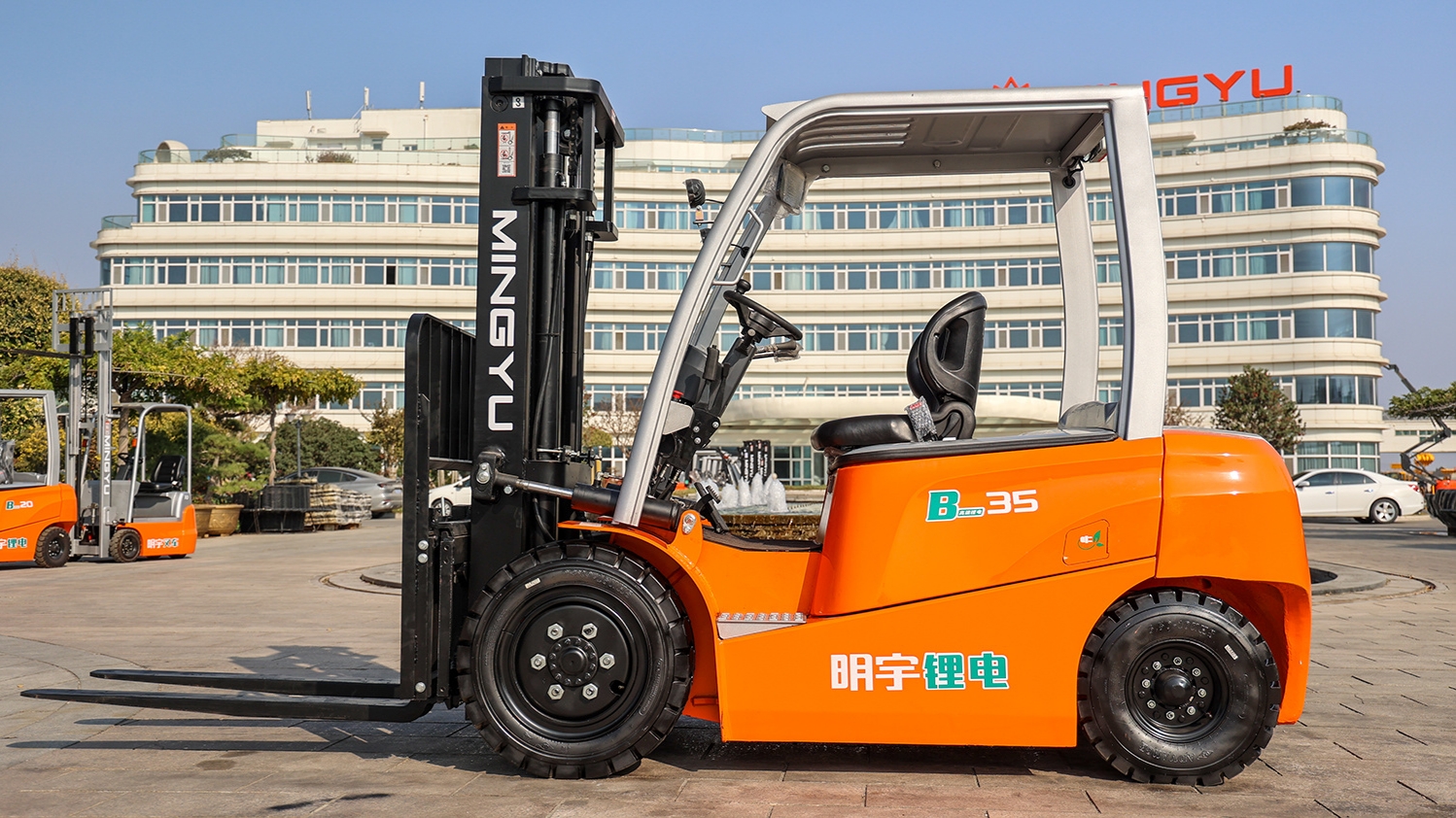
The 3.5-ton forklift is commonly used in warehouses handling heavier products or loading export containers. It can safely move larger pallets, heavier machinery, and building materials while maintaining good productivity during continuous loading operations.
5-Ton and Larger Forklifts
Forklifts rated at 5 tons or more are generally reserved for specialized industrial applications involving steel products, stone blocks, timber, large machinery, or oversized cargo. These machines require wider operating areas and higher investment costs, making them unnecessary for most general warehouse loading tasks.
Which Capacity Is Most Common?
For most warehouse truck loading applications:
1.5–2.0 tons: Light-duty warehouse operations.
2.5 tons: General warehouse loading and unloading.
3.0 tons: Medium-duty industrial applications.
3.5 tons: Heavy warehouse and export logistics.
5 tons+: Specialized heavy industries.
Among these options, the 2.5-ton and 3.0-ton forklifts remain the most popular choices because they balance lifting capacity, maneuverability, operating cost, and versatility.
4. Factors to Consider When Choosing Forklift Capacity for Loading Trucks
Selecting the proper forklift capacity requires evaluating much more than the weight of the heaviest pallet. Multiple operational factors influence the safest and most efficient choice.
Weight of Typical Loads
The starting point is determining the average and maximum pallet weight handled each day. Businesses should choose a forklift with sufficient reserve capacity rather than operating continuously at its maximum limit.
Load Dimensions
Long or oversized loads shift the load center farther from the forks, reducing effective lifting capacity. Even relatively light loads may require a larger forklift if they are unusually long or bulky.
Lift Height
Although truck loading typically occurs at relatively low lift heights, some warehouses also stack pallets onto high racking. Higher lift heights reduce available lifting capacity and should be considered when selecting equipment.
Loading Dock Height
Most loading docks are built at standard trailer height, but some operations involve containers, flatbed trucks, or vehicles with varying floor heights. The forklift should provide sufficient mast height and stability for all loading situations.
Warehouse Aisle Width
Larger forklifts require wider aisles and greater turning space. Choosing an oversized forklift may reduce storage density or require warehouse layout modifications.
Indoor or Outdoor Operation
Indoor warehouses often favor electric forklifts because of their zero emissions and quiet operation. Outdoor loading areas may require diesel or LPG forklifts capable of handling uneven surfaces and varying weather conditions.
Daily Operating Hours
Businesses operating multiple shifts or loading hundreds of trucks each week may require more durable forklifts with larger batteries or fuel tanks to minimize downtime.
Trailer Conditions
Some trailers have reinforced floors, while others may flex under heavy loads. Operators should verify trailer condition before entering with a loaded forklift, especially when handling heavier capacities.
Future Business Expansion
Companies expecting increased production or heavier products in the future should consider purchasing a forklift with slightly higher capacity to avoid premature replacement. However, oversizing equipment without a clear operational need increases acquisition costs and reduces overall efficiency.
By carefully evaluating all of these factors together, businesses can select a forklift that delivers optimal safety, productivity, and long-term value while meeting both current and future warehouse loading requirements.
5. Matching Forklift Capacity to Different Truck Loading Scenarios
Different truck loading operations require different forklift capacities. The type of cargo, pallet weight, trailer size, and loading frequency all influence the ideal forklift selection. Below are some common warehouse loading scenarios and the recommended forklift capacities.
Parcel Delivery Trucks
Warehouses shipping consumer goods, electronics, clothing, or e-commerce orders typically handle relatively light pallets weighing between 300 and 800 kg. A 1.5-ton to 2.0-ton forklift is usually sufficient for these operations. These forklifts offer excellent maneuverability inside loading docks and can work efficiently in narrow warehouse aisles.
Standard Semi-Trailers
Most logistics companies load standard trailers with palletized goods weighing 800 to 1,500 kg. In these situations, a 2.5-ton forklift is generally the best choice. It provides enough lifting capacity for most warehouse products while maintaining good speed, stability, and fuel efficiency.
20GP Shipping Containers
Loading a 20-foot shipping container often requires forklifts to operate inside confined spaces. Since aisle width and turning radius are limited, compact forklifts are preferred. For most export cargo, a 2.5-ton or 3.0-ton forklift provides an excellent balance between capacity and maneuverability.
40HQ Shipping Containers
Forty-foot high cube containers are widely used for international exports. Although the internal dimensions are larger, operators still work in relatively narrow spaces. Depending on cargo weight, 2.5-ton, 3.0-ton, or 3.5-ton forklifts are the most common choices.
Flatbed Trucks
Flatbed trailers often transport heavy machinery, steel products, construction materials, or oversized cargo. These applications typically require 3.5-ton to 5-ton forklifts, depending on load weight and dimensions.
Heavy Manufacturing
Factories handling engines, metal castings, industrial equipment, or machine components frequently load heavier pallets weighing over 2,000 kg. In these environments, 3.5-ton or larger forklifts provide greater safety margins and improve loading efficiency.
Food and Beverage Warehouses
Food distribution centers generally move standardized pallets with predictable weights. 2.5-ton electric forklifts are particularly popular because they provide clean, quiet operation while offering sufficient capacity for most food products.
Retail Distribution Centers
Retail logistics operations prioritize speed and maneuverability over extreme lifting capacity. 2.0-ton and 2.5-ton forklifts remain the preferred options for loading delivery vehicles throughout the day.
Manufacturing and Export Warehouses
Warehouses serving multiple industries often benefit from 3-ton forklifts, which provide the flexibility to handle a wide variety of products without being oversized for everyday operations.
Choosing forklift capacity according to actual loading scenarios improves efficiency, minimizes equipment wear, and ensures operators can work safely under changing warehouse conditions.
6. Electric vs. Diesel vs. LPG Forklifts for Warehouse Truck Loading
Selecting the correct power source is just as important as choosing the proper lifting capacity. Electric, diesel, and LPG forklifts each offer distinct advantages depending on the loading environment.
Electric Forklifts
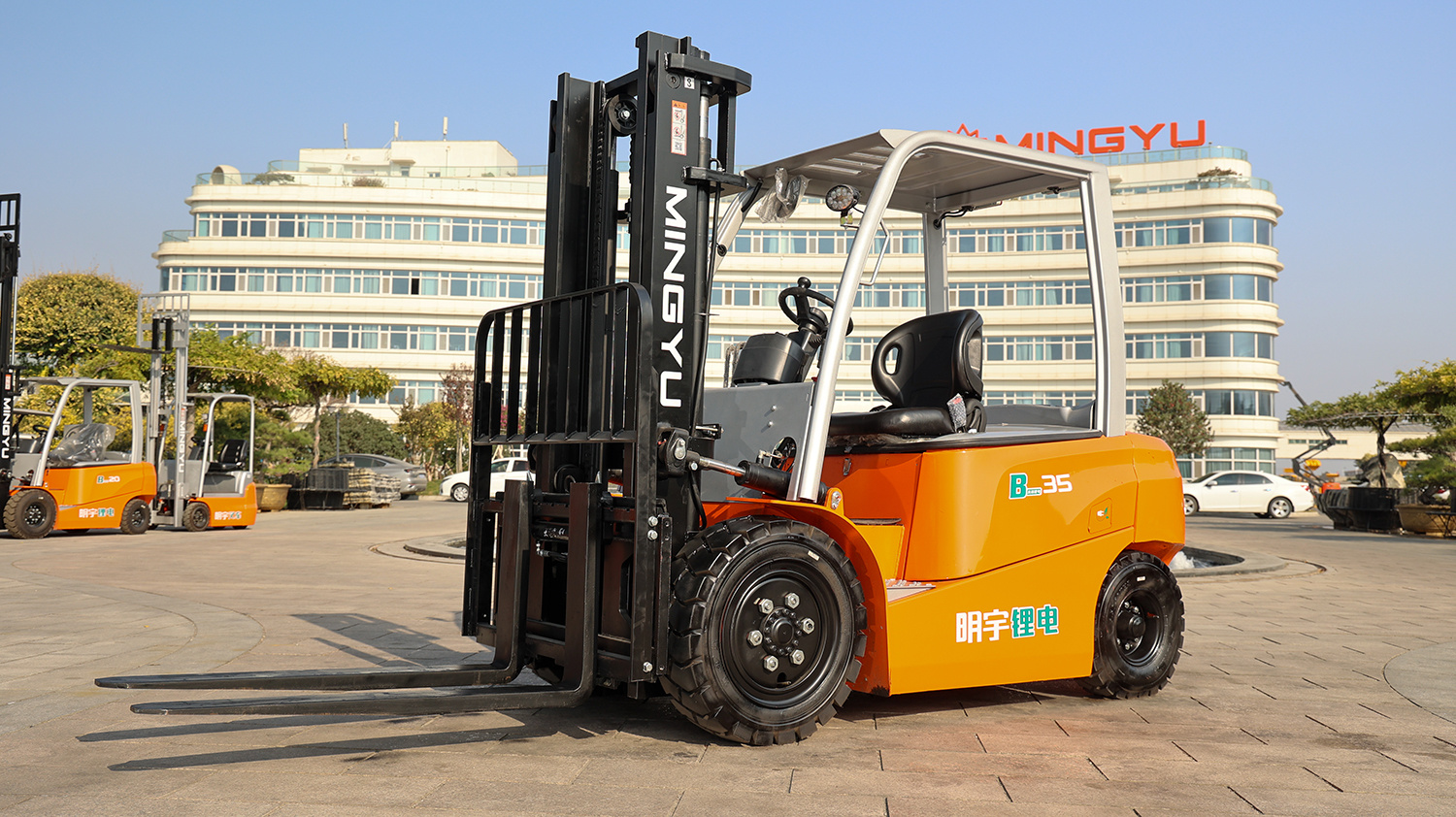
Electric forklifts have become the preferred solution for indoor warehouse operations. Powered by lead-acid or lithium-ion batteries, they produce zero exhaust emissions and operate with significantly lower noise levels.
Advantages:
Zero emissions for indoor use
Low operating noise
Lower maintenance requirements
Reduced energy costs
Smooth acceleration and precise control
Excellent for warehouses, supermarkets, and distribution centers
Limitations:
Battery charging time (for lead-acid models)
Higher initial investment for lithium batteries
Less suitable for rough outdoor terrain
Diesel Forklifts
Diesel forklifts provide high power and continuous operation, making them ideal for outdoor logistics yards and heavy-duty loading.
Advantages:
High engine torque
Continuous operation with fast refueling
Excellent for heavy loads
Performs well on uneven outdoor surfaces
Limitations:
Exhaust emissions
Higher noise levels
Increased fuel and maintenance costs
Generally unsuitable for indoor warehouses
LPG Forklifts
LPG forklifts combine many of the benefits of electric and diesel machines. They are cleaner than diesel models while allowing quick refueling, making them suitable for businesses operating both indoors and outdoors.
Advantages:
Fast cylinder replacement
Lower emissions than diesel
Longer operating time than battery-powered forklifts
Suitable for mixed indoor/outdoor applications
Limitations:
Fuel costs vary by region
Requires proper ventilation indoors
Periodic fuel system maintenance
Which Power Source Is Best?
The best choice depends on your operating environment:
Indoor warehouse loading: Electric forklift
Outdoor heavy-duty truck loading: Diesel forklift
Mixed indoor and outdoor operations: LPG forklift
For most modern warehouses, lithium-ion electric forklifts are becoming increasingly popular because they combine high efficiency, lower maintenance, fast opportunity charging, and environmentally friendly operation.
7. Safety Tips When Loading Trucks with Forklifts
Truck loading is one of the most common forklift operations in warehouses, but it also presents several safety risks. Limited working space, uneven trailer conditions, and heavy loads require operators to follow strict safety procedures. Proper training and good operating habits not only reduce accidents but also improve productivity and extend equipment life.
Never Exceed the Rated Capacity
Always check the forklift's capacity plate before lifting a load. The rated capacity is based on a specified load center and mast configuration. Overloading the forklift can reduce stability, increase the risk of tipping, and cause serious damage to both the machine and the cargo.
Inspect the Trailer Before Loading
Before driving into a truck or shipping container, ensure that the trailer is properly parked, the parking brakes are engaged, and wheel chocks are installed if required. The trailer floor should be inspected for structural damage or weak areas that may not safely support the forklift and its load.
Verify Dock Plate Stability
Loading dock plates or dock levelers must be correctly positioned and have sufficient load capacity. A damaged or improperly secured dock plate can shift during operation, creating a serious safety hazard.
Keep Loads Stable
Always position the load evenly on the forks and ensure it is fully supported. Tilt the mast slightly backward while traveling to improve load stability. Avoid carrying loose or damaged pallets that could collapse during transport.
Drive Slowly Inside Trailers
Trailers and shipping containers provide limited maneuvering space. Reduce travel speed, avoid sudden steering movements, and brake smoothly to maintain full control of the forklift.
Maintain Good Visibility
If the load blocks forward visibility, travel in reverse whenever it is safe to do so. Operators should always watch for pedestrians, obstacles, and overhead hazards while entering or leaving trucks.
Perform Daily Equipment Inspections
A pre-shift inspection should include checking the brakes, steering system, tires, hydraulic hoses, forks, mast, lights, warning devices, and battery or fuel system. Any defects should be repaired before the forklift is put into service.
Train Operators Properly
Only trained and authorized personnel should operate forklifts. Regular refresher training helps operators remain familiar with safe loading procedures, emergency responses, and equipment limitations.
Follow Warehouse Traffic Rules
Observe designated travel routes, speed limits, pedestrian crossings, and loading procedures. Good traffic management reduces collisions and improves overall warehouse safety.
By consistently following these practices, businesses can reduce accidents, protect employees, minimize equipment damage, and maintain efficient truck loading operations.
8. Cost Considerations and Return on Investment
Forklift purchase decisions should consider not only the initial purchase price but also the total cost of ownership over the machine's lifetime. Selecting the correct capacity can significantly reduce operating expenses while maximizing productivity.
Initial Purchase Cost
Generally, forklift prices increase with lifting capacity. Larger forklifts require heavier frames, larger engines or batteries, stronger hydraulic systems, and more robust components, resulting in higher purchase costs.
Energy and Fuel Costs
Operating expenses vary depending on the power source:
Electric forklifts typically have the lowest energy costs.
LPG forklifts offer moderate operating costs.
Diesel forklifts generally consume more fuel and require additional engine maintenance.
Companies operating multiple shifts often find that electric forklifts provide substantial long-term savings.
Maintenance Expenses
Larger forklifts typically require larger tires, more hydraulic oil, stronger brakes, and more expensive replacement parts. Choosing a forklift with excessive capacity may increase maintenance costs without improving operational efficiency.
Tire Wear
Heavy forklifts place greater stress on tires, especially during continuous loading operations. Tire replacement represents a significant maintenance expense over the life of the machine.
Productivity Improvements
Selecting the correct forklift capacity improves loading speed by reducing unnecessary trips and allowing operators to handle loads safely without hesitation. Higher productivity directly reduces labor costs and increases warehouse throughput.
Equipment Lifespan
Operating a forklift continuously at or near its maximum rated capacity accelerates wear on the hydraulic system, mast, transmission, and drive axle. Choosing a forklift with an appropriate safety margin helps extend service life and reduce repair costs.
Avoid Oversizing
Although larger forklifts provide greater lifting capacity, they also require wider aisles, consume more energy, and often cost considerably more to purchase and maintain. Buying more capacity than necessary rarely delivers additional value for standard warehouse operations.
Long-Term Return on Investment
For many warehouses, a properly selected 2.5-ton or 3-ton forklift offers the best return on investment. These models balance purchase cost, operating expenses, lifting performance, maneuverability, and long-term reliability, making them suitable for a wide range of truck loading applications.
9. Conclusion
Choosing the correct forklift capacity for warehouse truck loading is essential for maintaining safe, efficient, and cost-effective material handling operations. While forklift capacities range from 1.5 tons to over 5 tons, the ideal choice depends on far more than the weight of the heaviest pallet.
Factors such as pallet dimensions, load center, lift height, warehouse aisle width, truck type, loading frequency, operating environment, and future business growth should all be carefully evaluated before making a purchasing decision.
For most warehouse loading applications, 2.5-ton and 3-ton forklifts provide the best balance between lifting capacity, maneuverability, operating cost, and versatility. Lighter warehouses handling consumer goods may benefit from 2-ton forklifts, while heavy industrial operations often require 3.5-ton or larger models.
The choice of power source is equally important. Electric forklifts are ideal for indoor warehouse loading due to their zero emissions and low operating costs. Diesel forklifts excel in heavy outdoor operations, while LPG forklifts offer excellent flexibility for businesses operating in both indoor and outdoor environments.
Ultimately, the best forklift is not necessarily the largest one—it is the one that matches your actual operational requirements. By selecting the appropriate capacity, following safe loading procedures, and investing in proper operator training, businesses can increase productivity, reduce operating costs, improve workplace safety, and maximize the long-term return on their forklift investment.
Post time:Jun.26.2026
