
What Should I Check When Buying a Used Wheel Loader?
1. Introduction
Buying a used wheel loader is an excellent way to reduce equipment costs while still acquiring a machine capable of handling demanding construction, agricultural, mining, and material handling applications. For many contractors and equipment dealers, a well-maintained used loader can deliver years of reliable service at a fraction of the price of a new machine. However, not every used loader represents a good investment. Hidden mechanical problems, worn hydraulic components, structural damage, or poor maintenance history can quickly turn a bargain into an expensive repair project.
Unlike buying a passenger vehicle, purchasing heavy equipment requires careful inspection of critical systems that directly affect productivity, safety, and operating costs. Factors such as engine condition, hydraulic performance, transmission reliability, articulation joint wear, and tire condition all influence the machine's overall value. Even cosmetic issues can sometimes hide more serious structural problems underneath.
Before making any purchase, buyers should inspect the loader carefully, verify maintenance records, and test every major function under working conditions whenever possible. Understanding what to examine allows you to negotiate a fair price, avoid unexpected repair bills, and select equipment that will continue producing income instead of consuming your maintenance budget.
This guide explains the most important checkpoints professionals use when evaluating a used wheel loader, helping you make an informed buying decision with confidence.
2. Define Your Job Requirements Before Shopping
The first mistake many buyers make is choosing a machine simply because it has a low purchase price. In reality, selecting the wrong size or configuration can increase operating costs, reduce productivity, and even create safety concerns. Before comparing available machines, clearly define how the loader will be used.
Start by identifying your typical workload. Will the machine load gravel, sand, soil, grain, timber, or construction debris? Different materials have different densities, which affect the required bucket size and rated operating capacity. Buying an oversized machine may waste fuel, while an undersized loader may struggle with heavy materials and wear out faster.
Bucket capacity is another important consideration. Compact wheel loaders usually carry buckets between 0.5 and 1.2 cubic meters, while medium-sized machines often range from 1.5 to 3 cubic meters or more. Choose a bucket size that matches both your production targets and the capacity of your hauling equipment.
Lift height and dump clearance should also match your working environment. If the loader frequently loads high-sided dump trucks or feed mixers, ensure the boom provides sufficient dumping height. Verify the manufacturer's specifications rather than relying solely on the seller's description.
Engine power directly influences digging force, climbing ability, and cycle times. Machines used on steep terrain or heavy excavation work require more horsepower than those performing light warehouse or agricultural duties.
You should also consider operating weight, transportation requirements, turning radius, and jobsite space. Compact loaders are ideal for confined construction sites, while larger articulated loaders offer greater productivity on open sites.
Finally, determine whether additional attachments are necessary. Many wheel loaders can operate pallet forks, snow blades, grapples, sweepers, log grabs, or hydraulic breakers. Confirm that the hydraulic system includes auxiliary circuits if these attachments will be used in the future.
Choosing a loader that matches your actual application is the foundation of a successful purchase and prevents paying for capabilities you may never use.
3. Verify the Machine's History and Documentation
A machine's history often reveals far more than its appearance. Even a loader with fresh paint and clean tires may have experienced years of poor maintenance or severe operating conditions. Proper documentation helps verify whether the machine has been responsibly maintained throughout its service life.
Begin by confirming the machine's serial number or product identification number. This information allows you to verify the manufacturing year, original specifications, and whether the identification plates have been altered or replaced.
Next, ask for complete maintenance records. Regular oil changes, hydraulic filter replacements, transmission servicing, coolant maintenance, and scheduled inspections indicate that previous owners invested in preventive maintenance. Missing records do not necessarily mean the machine is unreliable, but they increase uncertainty about its condition.
Request information about previous ownership. Machines used by large rental companies or professional contractors are often serviced according to strict maintenance schedules. Equipment operated by multiple inexperienced users or neglected on small projects may have suffered greater wear.
Operating hours should also be evaluated carefully. While hour meters provide useful information, they are not always accurate. Compare the indicated hours with wear on pedals, steering wheel, seat cushions, control levers, articulation joints, and bucket pins. Excessive wear combined with unusually low operating hours may indicate meter replacement or tampering.
Ask where the machine spent most of its working life. Equipment operating in mines, quarries, coastal environments, demolition sites, or chemical facilities often experiences accelerated wear due to abrasive materials, corrosion, or heavy-duty applications.
It is also wise to inspect for evidence of major accidents, rollovers, flooding, or fire damage. Fresh paint covering welded areas, uneven panel gaps, mismatched components, or corrosion inside electrical connectors may indicate previous structural repairs or environmental damage.
Finally, confirm that all legal ownership documents are complete and that there are no outstanding financial liens on the equipment. Purchasing from a reputable dealer or established seller generally reduces these risks and often provides additional inspection reports or limited warranties.
A thorough review of the machine's history gives buyers greater confidence and helps identify potential issues before investing thousands of dollars in a used wheel loader.
4. Inspect the Engine and Powertrain
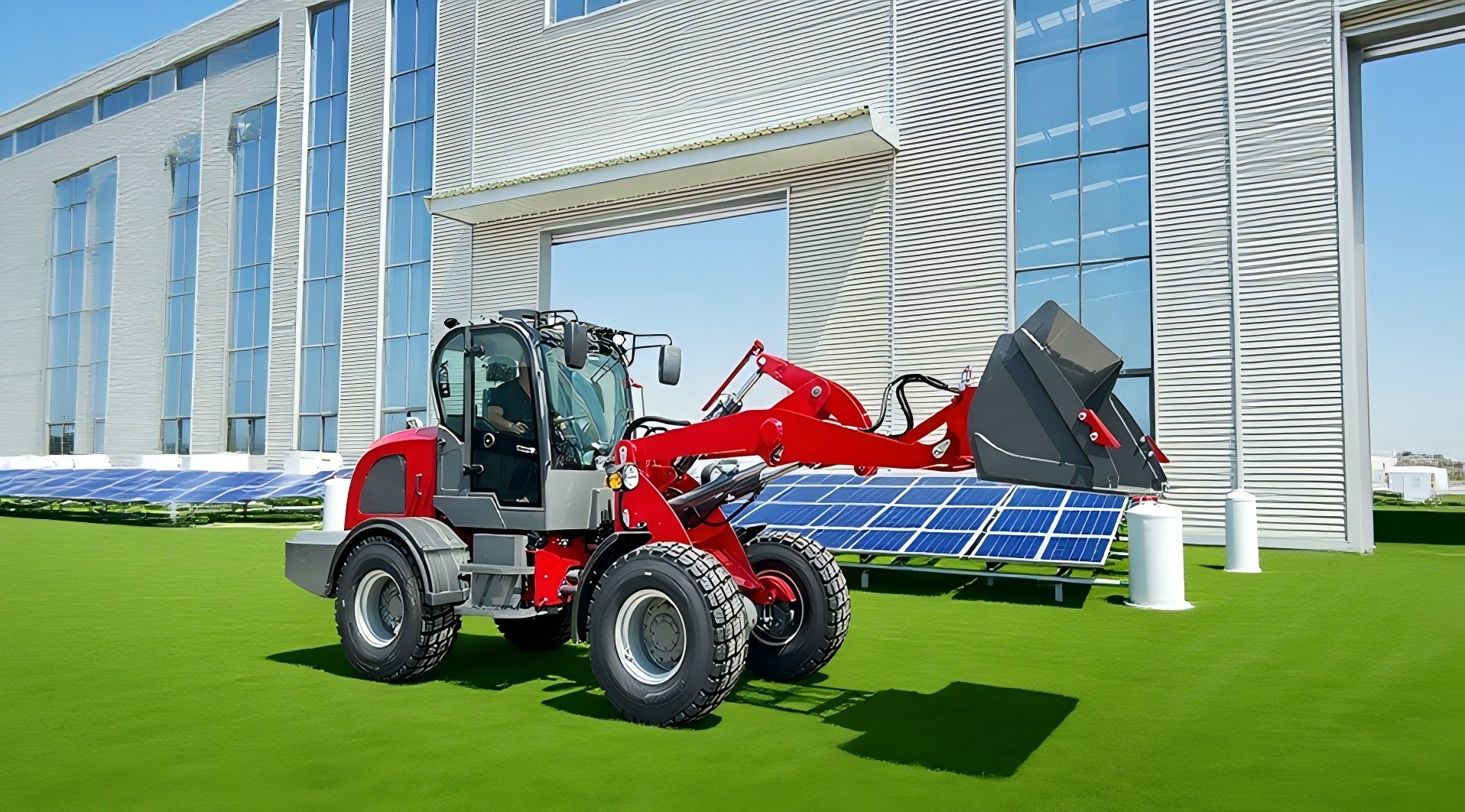
The engine and powertrain are the heart of any wheel loader. Repairs involving the engine, transmission, torque converter, or drive axles can be extremely expensive, making this one of the most critical areas to inspect before purchasing a used machine.
Whenever possible, begin with a cold start. A healthy diesel engine should start smoothly without excessive cranking or the need for starting fluid. Hard starting may indicate worn injectors, weak compression, faulty glow plugs, or fuel system problems. Observe how quickly the engine reaches a stable idle and whether it produces abnormal vibrations.
Pay close attention to the exhaust smoke. A brief puff of black smoke during acceleration is generally acceptable, but continuous black smoke may suggest poor fuel combustion or injector issues. Blue smoke often indicates engine oil burning due to worn piston rings or valve seals, while white smoke after warm-up can point to coolant entering the combustion chamber or injector problems.
Open the engine compartment and inspect carefully for oil, coolant, hydraulic fluid, or fuel leaks. Examine hoses, belts, clamps, and wiring for cracks, wear, or temporary repairs. Check the radiator and cooling system for corrosion, damaged fins, coolant residue, or signs of overheating.
Listen carefully while the engine is running. Knocking, ticking, grinding, or unusual metallic sounds should never be ignored. Stable engine speed without excessive vibration is a positive sign of good engine health.
The transmission deserves equal attention. During the test drive, shift between forward and reverse several times. Gear changes should be smooth without harsh impacts, hesitation, slipping, or delayed engagement. Hydrostatic or powershift transmissions should respond immediately when changing direction.
Test the machine at different travel speeds. The loader should accelerate smoothly without losing power or producing unusual noises. If the engine revs increase but travel speed does not, the transmission may be slipping.
Inspect the drive axles and differentials for oil leaks around seals and hubs. Listen for clicking, whining, or grinding sounds during turns, which may indicate worn bearings or damaged gears.
Finally, verify that all dashboard gauges display normal operating values. Engine oil pressure, coolant temperature, charging voltage, and warning indicators should remain within normal ranges throughout the inspection. Any warning lights that remain illuminated require further investigation before purchasing the machine.
A strong engine and healthy powertrain significantly reduce future repair costs and ensure the loader can continue operating reliably under demanding working conditions.
5. Examine the Hydraulic System Carefully
The hydraulic system performs nearly every major working function on a wheel loader. It powers the boom, bucket, steering system, and auxiliary attachments. Because hydraulic repairs can be costly, this system deserves a thorough inspection.
Start by examining all hydraulic cylinders. Look for oil leakage around rod seals and inspect the chrome cylinder rods for scratches, rust, dents, or pitting. Damaged rods quickly destroy seals and lead to recurring leaks.
Inspect every hydraulic hose and fitting. Small oil stains, cracked rubber, loose fittings, or damaged protective sleeves may indicate future failures. Pay particular attention to hoses that bend repeatedly during boom movement, as these areas experience the greatest stress.
Open the hydraulic oil tank if possible and check the condition of the hydraulic fluid. Clean oil should appear clear and free from contamination. Milky fluid may indicate water contamination, while dark or burnt-smelling oil suggests overheating or poor maintenance.
Operate the boom through its full lifting and lowering cycle several times. Movement should remain smooth without jerking, hesitation, or unusual vibration. A slow or uneven lifting speed may indicate pump wear, internal cylinder leakage, or control valve problems.
Test bucket rollback and dump functions under load whenever possible. The bucket should maintain its position without drifting when the control lever is released. If the bucket slowly lowers by itself, internal hydraulic leakage may be present.
Listen for unusual hydraulic noises. High-pitched whining, cavitation, or knocking sounds may indicate air entering the hydraulic system, clogged filters, or a worn hydraulic pump.
If the loader includes auxiliary hydraulic circuits for attachments such as pallet forks, grapples, snow blades, or hydraulic hammers, verify that these functions also operate correctly. Confirm that quick couplers connect securely without leaking.
Steering performance also depends on the hydraulic system. Turn the steering wheel fully in both directions while stationary and while driving slowly. Steering should remain smooth, responsive, and free from excessive effort or vibration.
Hydraulic repairs often involve pumps, valves, hoses, cylinders, and seals. While replacing a hose is relatively inexpensive, rebuilding a hydraulic pump or replacing multiple cylinders can cost thousands of dollars. Careful inspection helps avoid unexpected maintenance expenses after purchase.
6. Inspect the Loader Frame, Articulation, and Structural Components
Unlike cosmetic damage, structural problems can permanently reduce the strength and safety of a wheel loader. Even machines that operate normally may hide previous accident damage or metal fatigue beneath new paint.
Begin with the main frame. Carefully inspect both sides for cracks, bends, rust, or fresh welding. Weld repairs are not always unacceptable if performed professionally, but poorly executed repairs or repeated cracking often indicate severe structural stress.
Pay special attention to the articulation joint, which connects the front and rear frames. This pivot experiences constant movement and heavy loading throughout the machine's life. Worn articulation pins and bushings create excessive play that affects steering precision and increases tire wear.
Raise the bucket slightly and gently move it to detect looseness in the linkage. Excessive movement around pivot pins usually indicates worn bushings or elongated mounting holes. While replacing pins and bushings is common maintenance, severe wear can require expensive line boring or structural rebuilding.
Inspect the loader arms carefully for cracks near welds and high-stress areas. Look underneath as well as on the sides, since fatigue cracks often develop in less visible locations.
The bucket itself provides valuable clues about how the machine was operated. Examine the cutting edge for uneven wear and inspect bucket teeth for excessive damage or replacement. Severe bucket deformation may indicate repeated overloading or impact with rocks and concrete.
Check all grease fittings around boom pivots, bucket linkage, and articulation joints. Dry or damaged grease points may suggest poor maintenance practices throughout the machine's life.
Inspect the chassis underneath for impact damage caused by rocks, curbs, or rough terrain. Bent frame sections, damaged belly plates, or crushed protective guards may indicate hard operating conditions.
Finally, ensure that doors, engine covers, steps, handrails, mirrors, and safety guards remain securely mounted. These components contribute to operator safety and often reveal how carefully the previous owner maintained the machine.
A structurally sound frame provides the foundation for years of reliable service. While cosmetic scratches and paint damage are expected on used equipment, cracks, severe wear, or poor repairs should always be evaluated carefully before making a purchasing decision.
7. Evaluate Tires, Brakes, Steering, and Electrical System
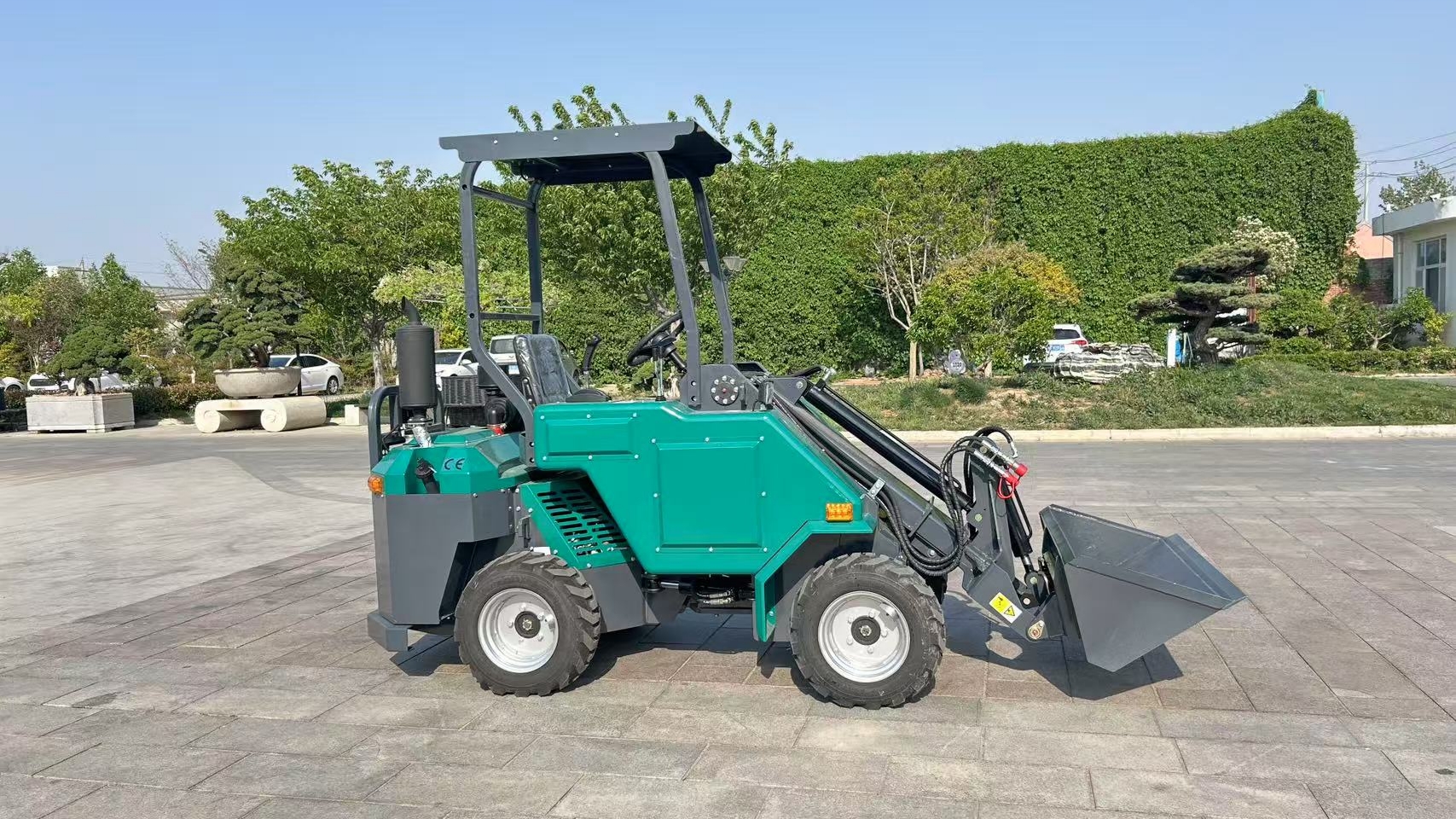
While buyers often focus on the engine and hydraulics, the tires, braking system, steering components, and electrical system are equally important. These parts directly affect safety, operating efficiency, and daily productivity, and replacing them can add significant costs after purchase.
Start with the tires. Wheel loader tires are expensive, especially for medium and large machines, so their condition has a major impact on the loader's overall value. Inspect the tread depth and look for uneven wear patterns, cuts, sidewall cracks, exposed cords, or previous repairs. Uneven wear may indicate incorrect tire pressure, poor wheel alignment, worn articulation joints, or suspension-related issues.
Check whether all four tires are the same brand, size, and tread pattern. Mixing different tire types can affect traction, stability, and drivetrain performance, particularly on four-wheel-drive loaders.
Next, inspect the wheel rims for dents, cracks, rust, or signs of previous welding. Damaged rims can create vibration, air leaks, or even tire failure under heavy loads.
The braking system should be tested thoroughly. During the test drive, apply the service brakes at different speeds. The loader should stop smoothly without pulling to one side, excessive vibration, or unusual noises. Spongy brake pedals, delayed braking response, or grinding sounds may indicate worn brake components or hydraulic problems.
Do not forget the parking brake. Park the loader on a slight incline, engage the parking brake, and verify that it holds the machine securely. A malfunctioning parking brake presents a serious safety risk, especially on construction sites.
Steering performance is another critical factor. The steering wheel should respond smoothly with minimal free play. Drive the loader in both straight lines and tight turns to check for excessive vibration, steering drift, or abnormal noises. Worn steering cylinders, pumps, or articulation components can reduce handling accuracy and increase repair costs.
The electrical system deserves equal attention. Test every switch, light, and electrical accessory. Verify that the headlights, work lights, turn signals, brake lights, warning beacons, horn, windshield wipers, heater, air conditioner, and backup alarm function correctly.
Inspect the instrument panel to ensure all gauges display accurate readings. Engine temperature, fuel level, hydraulic oil temperature, charging voltage, engine hours, and warning lights should operate normally. Warning lights that remain illuminated should never be ignored.
Finally, examine the battery and charging system. Check battery terminals for corrosion, verify that cables are securely connected, and confirm that the alternator charges properly while the engine is running. Weak batteries or charging problems may indicate underlying electrical faults.
Although these components may seem less significant than the engine or hydraulics, they contribute directly to daily reliability, operator safety, and overall operating costs. A thorough inspection can prevent many unexpected repairs after the purchase.
8. Perform a Complete Operational Test
No matter how attractive a used wheel loader appears, never make a purchase without operating it under realistic working conditions whenever possible. A complete operational test often reveals problems that cannot be detected during a visual inspection alone.
Begin by driving the loader over different types of terrain. Accelerate gradually and observe whether the machine responds smoothly throughout the speed range. There should be no hesitation, unusual vibration, or excessive noise from the engine, transmission, or axles.
Test both forward and reverse operation multiple times. Direction changes should occur quickly and smoothly without harsh impacts or transmission slipping. Delayed engagement often indicates internal wear within the transmission or torque converter.
Operate the boom through its full lifting range. Raise and lower the bucket repeatedly while paying attention to lifting speed, smoothness, and hydraulic response. Hydraulic movements should remain consistent without jerking or hesitation.
If possible, load material into the bucket. Working under load is one of the best ways to evaluate engine power and hydraulic performance. The loader should lift a full bucket confidently without excessive engine strain or hydraulic slowdown.
Check bucket rollback and dump functions during loading cycles. The bucket should maintain its position without drifting while traveling or lifting. Uncontrolled bucket movement may indicate worn hydraulic valves or cylinder seals.
Drive over uneven ground while carrying a loaded bucket. Listen for rattles, knocking sounds, or excessive articulation movement. Structural noises often become much more noticeable when the machine is under load.
Monitor all dashboard gauges throughout the test. Engine coolant temperature, hydraulic oil temperature, engine oil pressure, and charging voltage should remain within the manufacturer's recommended operating range. Overheating during a relatively short test may indicate cooling system problems.
Pay attention to operator comfort as well. Test the seat adjustment, visibility, mirrors, cab controls, ventilation system, and air conditioning if equipped. A comfortable operator is generally more productive and less likely to experience fatigue during long working hours.
After completing the test drive, inspect the machine once more. Fresh oil leaks, coolant leaks, or hydraulic fluid appearing after operation often reveal problems that were not visible before the machine reached operating temperature.
A comprehensive operational test provides valuable insight into the loader's true condition and greatly reduces the risk of purchasing equipment with hidden mechanical issues.
9. Estimate Future Ownership Costs and Make the Final Decision
The purchase price is only one part of the total cost of owning a used wheel loader. Before finalizing the deal, buyers should estimate future maintenance expenses, expected repairs, operating costs, and long-term reliability.
Begin by listing any defects discovered during your inspection. Worn tires, leaking cylinders, damaged bucket teeth, cracked lights, or worn pins may seem minor individually, but together they can significantly increase the machine's actual cost.
Research the availability and price of replacement parts. Machines from well-established manufacturers generally offer better parts support, faster delivery, and stronger dealer networks. Older or discontinued models may have lower purchase prices but higher maintenance costs due to limited parts availability.
Machine age should always be considered together with operating hours. A loader with moderate hours and excellent maintenance records is often a better investment than a newer machine with poor servicing and heavy wear. Overall condition is usually a more reliable indicator than age alone.
Evaluate fuel efficiency as well. Older engines may consume considerably more fuel than newer models with improved engine technology. Over several years of operation, fuel savings can offset part of the higher purchase price of a better-maintained machine.
If major repairs are expected, request quotations from qualified service technicians before negotiating with the seller. Professional estimates provide strong support during price discussions and help determine whether the loader remains a worthwhile investment.
Whenever possible, purchase from a reputable dealer that performs inspections, offers service support, or provides a limited warranty. While private sellers may offer lower prices, dealer support can reduce risk and improve long-term ownership experience.
Before signing the purchase agreement, complete one final inspection. Confirm that all agreed accessories, manuals, spare keys, maintenance records, and attachments are included. Verify the serial number, ownership documents, and any warranty information to ensure everything matches the sales contract.
Buying a used wheel loader requires patience, careful inspection, and informed decision-making. By evaluating the machine's history, engine, hydraulics, structural components, tires, steering, brakes, electrical system, and real-world operating performance, buyers can confidently identify equipment that offers excellent value. A thorough inspection today can prevent costly repairs tomorrow, allowing your wheel loader to deliver dependable performance and a strong return on investment for many years to come.
Post time:Jul.08.2026
