
How to Perform a Daily Pre-Operation Inspection on a Backhoe Loader?
Part 1: Introduction: The Importance of Daily Backhoe Loader Inspection
Backhoe loaders are one of the most versatile machines used in construction, agriculture, road maintenance, landscaping, utility installation, and many other industries. Combining the functions of a front loader and a rear excavator, a backhoe loader can perform multiple tasks such as digging trenches, loading materials, lifting objects, leveling surfaces, and moving earth. Due to their wide range of applications, backhoe loaders often operate in demanding environments where reliability and safety are extremely important.
Before starting daily operations, performing a complete pre-operation inspection is one of the most important responsibilities of the operator. A daily inspection helps identify potential problems before they develop into serious mechanical failures. Simple checks of the engine, hydraulic system, tires, attachments, and safety equipment can prevent unexpected downtime, reduce repair costs, and improve overall machine performance.
Operating a backhoe loader without proper inspection may lead to serious consequences. Problems such as hydraulic leaks, damaged components, low fluid levels, worn tires, or electrical failures can affect machine control and create safety risks for operators and nearby workers. Early detection of these issues allows maintenance teams to repair problems before they interrupt production.
A proper daily inspection provides several important benefits:
Improves operator and workplace safety
Reduces unexpected equipment failures
Extends the service life of components
Maintains stable machine performance
Helps reduce long-term maintenance costs
A professional operator should not consider inspection as a time-consuming task. Instead, it should be viewed as an essential part of operating a backhoe loader efficiently. A few minutes spent checking the machine before operation can prevent hours of downtime and expensive repairs.
This article provides a complete guide on how to perform a daily pre-operation inspection on a backhoe loader. It explains the inspection process step by step, including external checks, engine inspection, hydraulic system examination, attachment inspection, safety checks, and functional testing.
Part 2: Understanding the Purpose of a Pre-Operation Inspection
2.1 Safety Benefits
Safety is the primary reason for performing daily inspections. Backhoe loaders operate with powerful hydraulic systems, heavy attachments, and large moving components. Any failure during operation can create dangerous situations.
Daily inspections help identify:
Damaged hydraulic hoses
Loose bolts or pins
Faulty safety devices
Tire problems
Fluid leaks
By detecting these problems before operation, operators can reduce the possibility of accidents and ensure safer working conditions.
2.2 Equipment Performance Benefits
A well-maintained backhoe loader performs more efficiently. Regular inspections ensure that important systems are operating correctly.
Checking components such as the engine, hydraulic system, and attachments helps maintain:
Smooth digging performance
Strong lifting capacity
Accurate machine control
Efficient fuel consumption
Preventive inspections also help operators notice changes in machine performance early.
2.3 Cost-Saving Benefits
Small problems can quickly become expensive repairs if they are ignored.
For example:
A small hydraulic leak can damage the hydraulic pump
Low engine oil can cause serious engine wear
Damaged tires can affect stability and increase fuel consumption
Daily inspections allow operators to solve minor issues before they become major failures, reducing maintenance expenses and extending machine life.
Part 3: Preparation Before Inspecting a Backhoe Loader
3.1 Park the Machine Safely
Before inspection:
Park the backhoe loader on flat and stable ground
Lower the bucket and attachments completely
Engage the parking brake
Turn off the engine
Remove the ignition key if necessary
A safe parking position prevents unexpected movement during inspection.
3.2 Review Maintenance Records
Before starting the machine, operators should check maintenance information, including:
Previous inspection reports
Repair records
Scheduled maintenance requirements
Reported issues from previous operators
This helps identify recurring problems and ensures important maintenance tasks are completed on time.
3.3 Prepare Inspection Tools
Useful inspection tools include:
Flashlight for checking dark areas
Safety gloves
Cleaning cloth
Maintenance checklist
Measuring tools when necessary
Using a standard checklist ensures that no important component is missed.
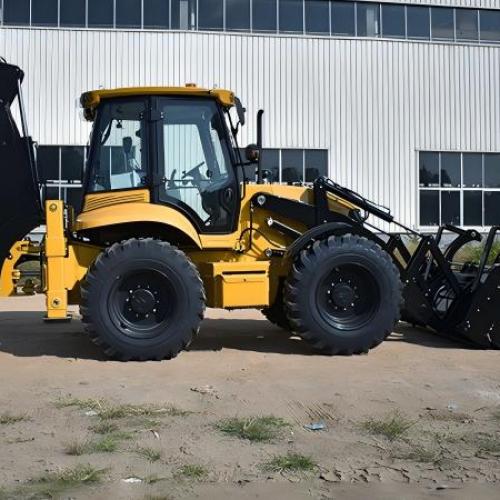
Part 4: Step-by-Step Daily Pre-Operation Inspection Checklist
4.1 Perform a General Visual Inspection
Start by walking around the entire backhoe loader and checking for visible problems.
Inspect:
Loose bolts and fasteners
Damaged parts
Oil or fluid leaks
Cracks in the structure
Missing safety labels
Abnormal wear
Pay special attention to:
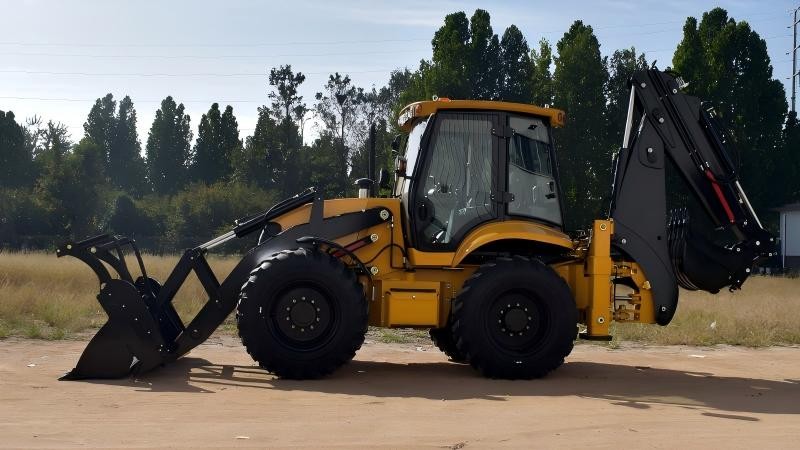
Engine compartment
Loader arm
Backhoe boom
Hydraulic cylinders
Chassis and frame
A visual inspection can quickly reveal many potential problems.
4.2 Check the Engine Compartment
The engine is the power source of the backhoe loader and requires regular inspection.
Engine Oil Level
Check the engine oil level before operation.
Important points:
Oil should be within the recommended range
Oil should not contain abnormal contamination
Low oil levels should be corrected immediately
Proper lubrication prevents excessive engine wear.
Coolant Level
The cooling system prevents engine overheating.
Check:
Coolant reservoir level
Radiator condition
Cooling hoses
Signs of leakage
Insufficient coolant can cause high engine temperatures and serious damage.
Air Filter Condition
A clean air filter ensures sufficient air supply for combustion.
Check for:
Excessive dust buildup
Filter blockage
Damaged filter housing
A blocked air filter reduces engine power and increases fuel consumption.
Belts and Hoses
Inspect:
Engine belts
Cooling hoses
Hydraulic hoses
Look for:
Cracks
Loose connections
Signs of aging
Damaged hoses and belts should be replaced promptly.
4.3 Inspect the Hydraulic System
The hydraulic system controls the movement of the loader and excavator attachments.
Check:
Hydraulic oil level
Hydraulic hoses
Cylinder condition
Fittings and connections
Oil leaks
Common hydraulic problems include:
Slow movement
Reduced digging power
Unusual noise
Hydraulic oil leakage
Early detection prevents expensive hydraulic system repairs.
4.4 Check Tires and Wheels
Tires directly affect machine stability, traction, and safety.
Inspect:
Tire pressure
Tire surface damage
Tread condition
Wheel bolts
Incorrect tire pressure can cause:
Poor stability
Increased fuel consumption
Faster tire wear
For machines working on rough terrain, tire condition is especially important.
4.5 Inspect the Front Loader Attachment
The front bucket system handles loading and material movement.
Check:
Bucket condition
Bucket teeth wear
Loader arms
Pins and bushings
Hydraulic cylinders
Look for:
Loose connection pins
Cracks
Excessive wear
Damaged attachments can reduce productivity and create safety risks.
4.6 Inspect the Rear Backhoe Attachment
The rear excavator section is responsible for digging operations.
Check:
Boom
Dipper arm
Bucket teeth
Pivot points
Hydraulic cylinders
Make sure:
Pins are properly secured
Components move smoothly
No cracks are present
Regular inspection improves digging accuracy and prevents unexpected failures.
4.7 Check Electrical System
The electrical system controls starting, lighting, and safety functions.
Inspect:
Battery condition
Battery terminals
Wiring connections
Warning lights
Test:
Headlights
Work lights
Turn signals
Horn
Reverse alarm
Electrical problems should be repaired before operation.
4.8 Inspect Operator Cab and Safety Equipment
The operator area should always be checked before work.
Inspect:
Seat and Seat Belt
Proper adjustment
Seat belt condition
Controls
Steering system
Joysticks
Pedals
Switches
Safety Equipment
ROPS/FOPS structure
Mirrors
Emergency controls
Warning devices
A safe operator environment is essential for accident prevention.
Part 5: Starting the Backhoe Loader and Performing Functional Tests
5.1 Start-Up Inspection
After completing the external inspection, start the machine and observe:
Dashboard warning lights
Engine sound
Exhaust smoke
Abnormal vibration
Any unusual signs should be investigated before operation.
5.2 Test Hydraulic Functions
Operate:
Front bucket
Boom
Dipper arm
Stabilizers
Check:
Smooth movement
Response speed
Hydraulic pressure
Abnormal noise
5.3 Test Driving Functions
Before beginning work, test:
Forward movement
Reverse movement
Steering response
Brake operation
Transmission function
The machine should respond smoothly without unusual behavior.
Part 6: Common Problems Found During Daily Inspections
6.1 Hydraulic Oil Leakage
Possible causes:
Damaged hoses
Loose fittings
Worn seals
Solutions:
Repair leaks immediately
Replace damaged parts
6.2 Low Engine Oil Level
Possible causes:
Oil leakage
Excessive consumption
Solutions:
Add correct engine oil
Check the source of oil loss
6.3 Tire Damage
Possible causes:
Sharp objects
Incorrect pressure
Heavy loads
Solutions:
Repair damaged tires
Replace severely worn tires
6.4 Electrical Problems
Possible causes:
Weak battery
Loose wiring
Damaged switches
Solutions:
Check connections
Replace faulty components
Part 7: Creating an Effective Daily Inspection Routine
7.1 Use a Standard Checklist
A checklist ensures:
All important components are inspected
Operators follow the same procedure every day
Maintenance records remain accurate
7.2 Record Inspection Results
Inspection records should include:
Date
Operator name
Machine working hours
Problems found
Repair actions
Good records help improve maintenance planning.
7.3 Report Problems Immediately
Operators should never ignore abnormal conditions.
Problems should be reported when noticing:
Unusual noise
Fluid leakage
Reduced performance
Warning alarms
Part 8: Seasonal Inspection Considerations
8.1 Cold Weather Inspection
In winter, check:
Battery performance
Engine oil viscosity
Coolant protection
Fuel quality
Cold temperatures increase the importance of proper preparation.
8.2 Hot Weather Inspection
During hot seasons, inspect:
Cooling system
Radiator cleanliness
Hydraulic oil temperature
Tire condition
8.3 Dusty Working Conditions
For dusty environments:
Clean air filters frequently
Remove dust from radiators
Inspect hydraulic components regularly
Part 9: Conclusion: Building Safer and More Reliable Backhoe Loader Operations
A daily pre-operation inspection is one of the simplest and most effective ways to maintain a backhoe loader. By checking the engine, hydraulic system, tires, attachments, electrical components, and safety equipment before operation, operators can identify problems early and prevent unexpected failures.
Regular inspections improve machine reliability, reduce maintenance costs, and extend equipment service life. They also create a safer working environment for operators and other workers around the machine.
A professional backhoe loader operator understands that inspection is not just a routine task but an important responsibility. With proper daily checks and preventive maintenance, backhoe loaders can deliver excellent performance, higher productivity, and reliable operation in various working conditions.
Post time:Aug.03.2026
