
How to Perform Basic Maintenance on a Pallet Stacker?
1. Introduction: The Importance of Pallet Stacker Maintenance
Pallet stackers are essential tools in modern warehouses, factories, and retail storage facilities. They make lifting, stacking, and transporting heavy loads efficient, reducing manual labor and the risk of injuries. However, like all machinery, pallet stackers require regular maintenance to remain safe and operational. Neglecting maintenance can lead to equipment failure, safety hazards, and expensive repairs that could have been easily avoided. Routine maintenance not only ensures the stacker functions efficiently but also prolongs its lifespan and protects workers. By keeping up with basic maintenance tasks, operators can prevent downtime, maintain productivity, and enhance workplace safety. Understanding the importance of maintenance is the first step toward a safer and more cost-effective warehouse operation.
2. Understanding Your Pallet Stacker
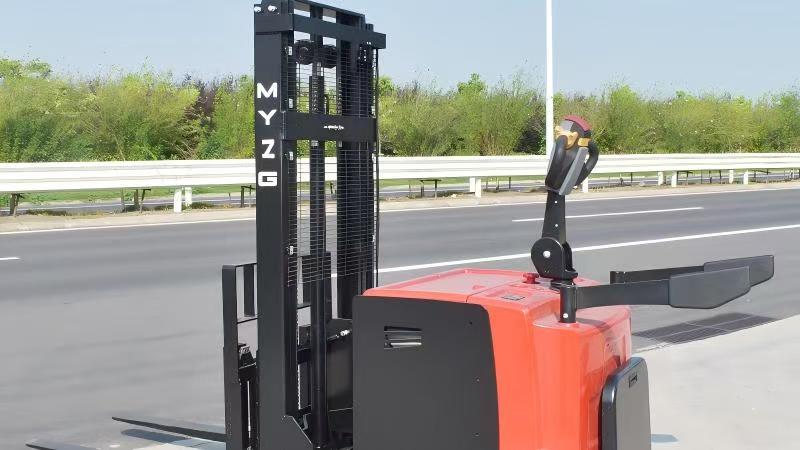
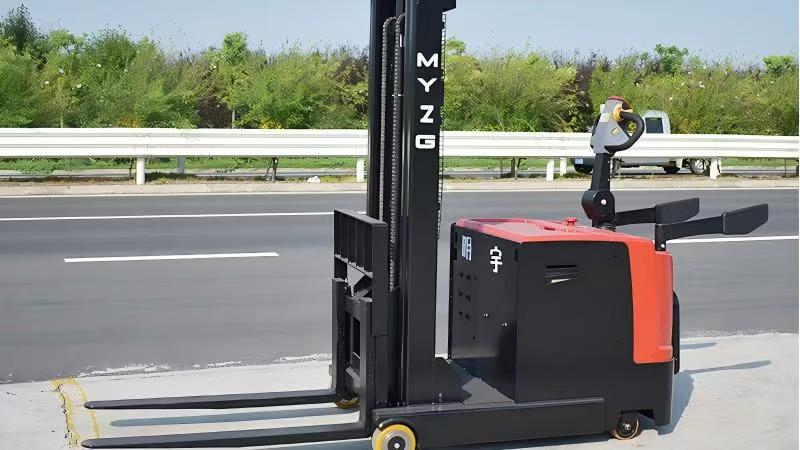
Before performing any maintenance, it is crucial to understand your pallet stacker’s components and functions. A typical stacker includes forks for lifting, a hydraulic system for raising and lowering loads, wheels or casters for mobility, and controls for maneuvering. Electric stackers feature batteries and motors, while manual versions rely on hand pumps. Each type requires slightly different maintenance practices. Reviewing the manufacturer’s user manual is essential, as it provides specific guidelines, recommended lubricants, and maintenance schedules. Familiarity with your stacker ensures that maintenance is performed correctly and safely, reducing the risk of damage to components and ensuring compliance with safety standards. Knowing the difference between manual, semi-electric, and fully electric models allows operators to tailor their maintenance routines effectively.
3. Daily Inspection Routine
Daily inspections are the cornerstone of pallet stacker maintenance. Before each use, operators should perform a visual check of the forks, mast, and frame to identify any cracks, bends, or other structural damage. Wheels and casters should be free of debris, wear, or flat spots, and chains, lift cables, and hydraulic hoses must be examined for fraying, leaks, or other signs of deterioration. It’s also essential to test all safety features and controls, including emergency stops, brake functions, and lifting mechanisms. Performing these daily inspections helps identify issues before they become serious problems, reducing the likelihood of workplace accidents and costly downtime. A quick 5–10 minute check can save thousands in repair costs and ensure safe operation.
4. Lubrication and Greasing
Proper lubrication is critical to ensure smooth operation and to reduce wear on moving parts. Components such as mast rollers, chains, pivot points, and wheel bearings require regular greasing. Lack of lubrication can lead to increased friction, accelerated wear, and eventual failure of the stacker components. Manufacturers often specify the type of grease or lubricant to use, as well as recommended intervals. Applying lubricant according to these guidelines maintains the efficiency of the hydraulic system and reduces noise and resistance during operation. Over time, consistent lubrication prevents costly breakdowns and ensures that lifting and lowering remain smooth and reliable, safeguarding both the equipment and the operator.
5. Battery Maintenance (for Electric Stackers)
Electric pallet stackers require careful battery maintenance to ensure optimal performance. Start by checking the battery fluid levels regularly and topping off with distilled water if necessary. Proper charging practices are essential: avoid overcharging or completely discharging the battery, as this can shorten its lifespan. Cleaning battery terminals and connectors prevents corrosion, which can cause electrical resistance or failure. Always handle batteries with care, wearing protective gloves and eyewear, and following safety protocols. Consistent battery maintenance ensures reliable power, reduces unexpected downtime, and extends the operational life of the stacker. A well-maintained battery also improves overall energy efficiency, saving costs over time.
6. Hydraulic System Care
The hydraulic system is the heart of a pallet stacker, responsible for lifting and lowering heavy loads. Maintaining this system is critical for safety and efficiency. Operators should check hydraulic fluid levels regularly and top off with the manufacturer-recommended fluid as needed. Leaks in hoses or fittings must be addressed immediately, as they can lead to equipment failure or accidents. Occasionally, bleeding the hydraulic system may be required to remove trapped air, which can affect lift performance. Proper care of the hydraulic system ensures smooth operation, reduces wear on internal components, and prevents unexpected breakdowns, keeping the stacker safe for daily use.
7. Tire and Wheel Maintenance
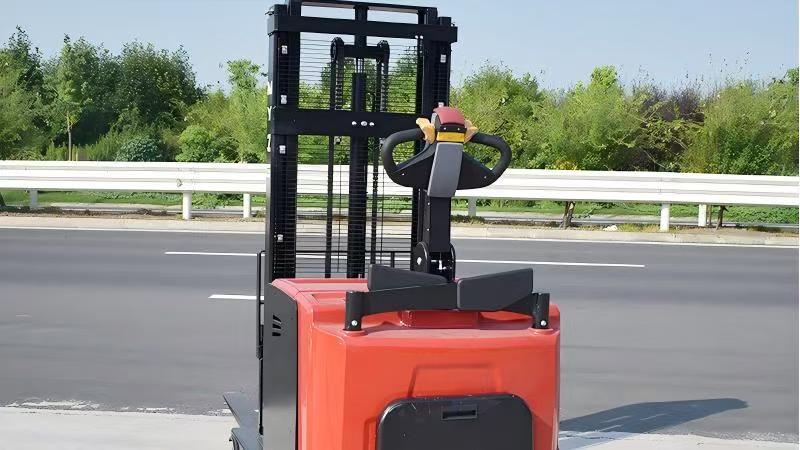
Wheels and tires support the load and ensure the stacker moves smoothly. Regularly inspect them for wear, damage, or misalignment. Caster wheels, load wheels, and drive wheels should rotate freely without obstruction. Damaged or worn wheels can cause instability, uneven lifting, and increased strain on the hydraulic system. Replacing worn wheels promptly prevents accidents and ensures that the stacker maintains optimal maneuverability. Proper alignment of wheels also reduces uneven wear and extends the lifespan of both the tires and the stacker frame. Attention to wheel and tire maintenance is essential for both safety and operational efficiency in high-traffic warehouse environments.
8. Regular Cleaning and Storage Tips
Keeping a pallet stacker clean is often overlooked, but it plays a significant role in maintenance. Dirt, dust, and debris can accumulate in moving parts, causing friction and wear. Cleaning forks, wheels, controls, and the mast regularly prevents damage and ensures smooth operation. When not in use, store the stacker in a dry, temperature-controlled area to avoid rust, corrosion, and moisture-related damage. Avoid exposure to harsh chemicals, extreme temperatures, or direct sunlight for extended periods. Proper storage, combined with routine cleaning, ensures that the stacker remains in excellent condition, ready for reliable use at any time.
9. Conclusion: Safety and Longevity Through Consistent Maintenance
Regular maintenance of a pallet stacker is essential for safety, efficiency, and cost savings. Daily inspections, proper lubrication, battery care, hydraulic system checks, and wheel maintenance collectively extend the lifespan of the equipment. Keeping a maintenance log or checklist helps track performed tasks and ensures nothing is overlooked. A well-maintained pallet stacker reduces the risk of accidents, minimizes unexpected downtime, and ensures smooth operation in fast-paced warehouse environments. By committing to consistent care, operators not only protect themselves but also make a valuable investment in the longevity and reliability of their equipment. Maintenance is not an optional task—it is a fundamental practice that keeps warehouse operations running safely and efficiently.
Post time:Mar.20.2026
