
Are Chinese Wheel Loaders Reliable for Long-Term Export Use?
1. Introduction: Understanding the Reliability of Chinese Wheel Loaders
Chinese wheel loaders have become increasingly popular in international construction, agriculture, mining, and material-handling markets. With competitive prices, a wide range of configurations, and improving manufacturing capabilities, Chinese manufacturers offer alternatives to established European, Japanese, and American brands. However, for overseas buyers, purchasing a wheel loader is a long-term investment, and reliability remains one of the most important considerations.
A wheel loader must withstand demanding working conditions, including heavy loads, uneven terrain, long operating hours, and changing weather. Equipment failures can lead to expensive repairs, project delays, and lost productivity. Therefore, buyers need to evaluate more than the initial purchase price when choosing a Chinese wheel loader.
The good news is that Chinese wheel loaders can provide dependable long-term service when supplied by reputable manufacturers and properly maintained. Their reliability depends on component quality, manufacturing standards, machine configuration, operating conditions, and after-sales support. Understanding these factors helps importers, dealers, contractors, and equipment rental companies make informed purchasing decisions.
2. How Reliable Are Chinese Wheel Loaders Today?
The reliability of Chinese wheel loaders has improved significantly as manufacturers have invested in production equipment, engineering capabilities, quality control, and international market development. Many factories now use standardized assembly procedures, digital production management systems, and inspection processes to improve consistency between machines.
Another important development is the availability of different engine brands, transmission configurations, hydraulic systems, and axle options. Buyers can select equipment according to their budgets, local service capabilities, and application requirements. Established manufacturers with extensive export experience may also understand the documentation, technical specifications, and compliance requirements of overseas markets.
However, not every Chinese wheel loader offers the same level of quality. Differences in materials, component suppliers, welding standards, assembly precision, and factory testing can affect long-term performance. Two machines with similar rated capacities may have significantly different operating characteristics and maintenance requirements.
For this reason, buyers should evaluate each manufacturer and model individually. Checking component specifications, inspecting the machine before shipment, requesting references, and reviewing warranty conditions are practical ways to assess reliability.
The key point is that the country of origin alone does not determine equipment quality. The manufacturer's engineering capabilities, quality-management procedures, component selection, and commitment to after-sales service are more useful indicators of long-term performance.
3. Key Factors That Determine Long-Term Reliability
3.1 Engine Quality and Performance
The engine is one of the most important components of a wheel loader. It provides the power needed for digging, lifting, traveling, and transporting materials. A suitable engine should deliver sufficient torque while maintaining stable performance under the machine's intended working conditions.
When evaluating a Chinese wheel loader, buyers should check the engine manufacturer, rated power, torque characteristics, fuel consumption, cooling capacity, and maintenance requirements. The engine should match the machine's operating weight, bucket capacity, and expected workload.
Engine availability also matters for overseas customers. Choosing an engine with accessible filters, service parts, and qualified technicians can simplify maintenance and reduce downtime. In some markets, emissions regulations may restrict which engine configurations can be imported or operated.
Buyers should therefore confirm the required emissions stage and documentation before ordering. A reliable engine is valuable not only because it performs well but also because it can be serviced efficiently throughout the machine's working life.
3.2 Transmission and Axle Durability
The transmission and drive axles transfer engine power to the wheels. They are particularly important when a loader repeatedly moves heavy materials, operates on slopes, or works on rough surfaces.
A suitable transmission should provide smooth gear changes, effective power delivery, and reliable performance under the expected workload. Drive axles must also withstand the forces generated during loading, turning, and traveling over uneven ground.
When comparing wheel loaders, buyers should ask about transmission type, axle specifications, component manufacturers, maintenance intervals, and the availability of replacement parts. Torque converter systems are commonly used in conventional wheel loaders, while other drivetrain configurations may suit particular applications.
Regular oil inspections, timely lubricant changes, and attention to unusual noise or temperature changes can help identify potential problems before they become serious. Selecting a drivetrain designed for the intended application is often more important than simply choosing the machine with the highest rated power.
3.3 Hydraulic System Reliability
The hydraulic system controls essential wheel loader functions, including boom lifting, bucket tilting, and steering on many models. Its performance directly affects working efficiency, operator control, and machine productivity.
A dependable hydraulic system requires suitable pumps, cylinders, control valves, hoses, seals, and hydraulic fluid. Poor component quality, contaminated oil, excessive temperatures, or damaged seals can cause leaks, reduced lifting performance, and unexpected downtime.
Buyers should examine the hydraulic specifications and ask whether the system has undergone factory testing. They should also confirm the recommended oil grade, filtration requirements, and maintenance intervals.
During inspection, the boom should lift and lower smoothly, the bucket should tilt correctly, and the hydraulic system should operate without obvious leakage or abnormal noise. These checks cannot guarantee future reliability, but they can help identify immediate quality concerns.
3.4 Structural Strength and Wear Resistance
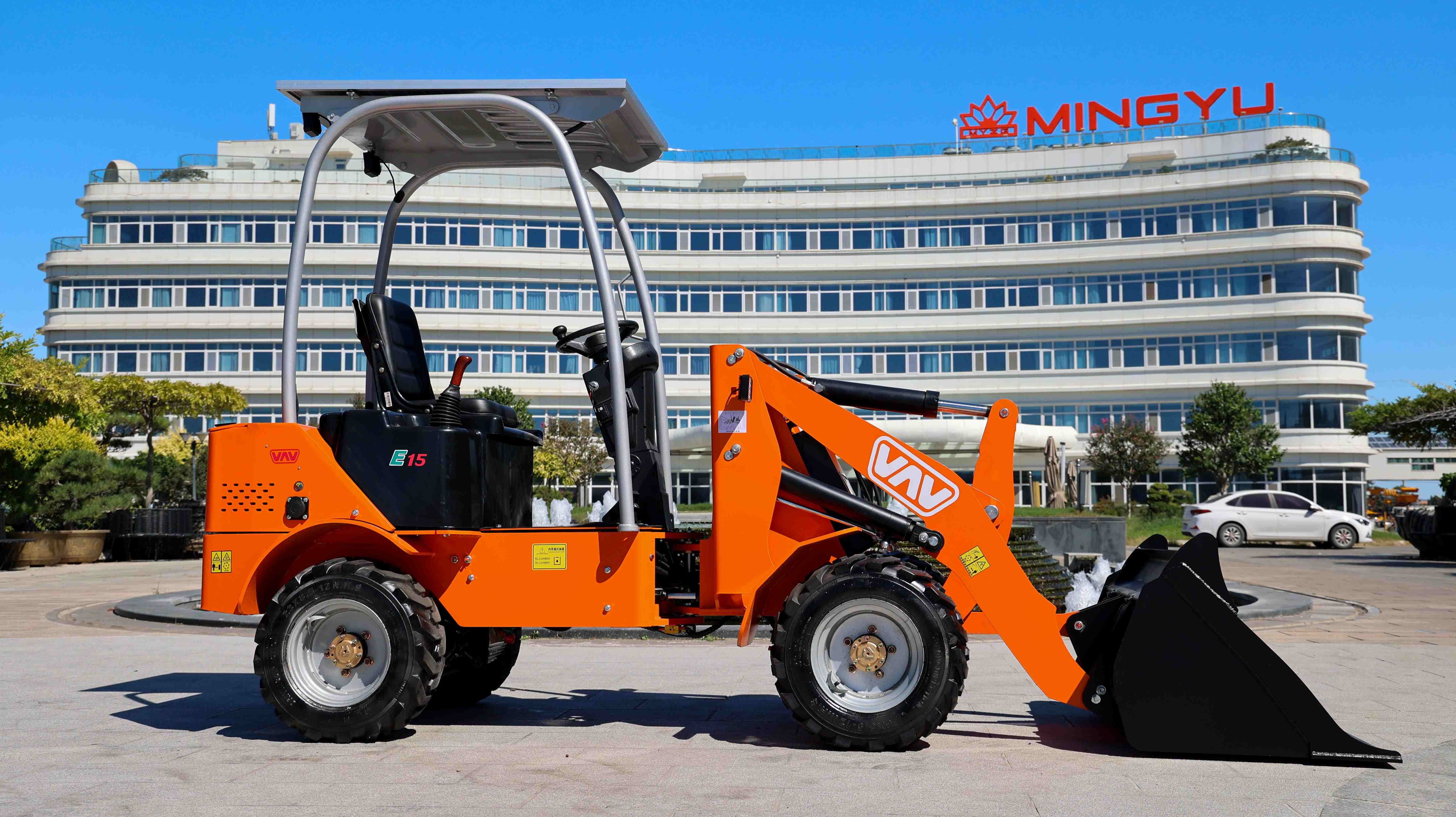
A wheel loader's frame, boom, bucket, articulation joints, and connecting pins are exposed to repeated mechanical stress. Their quality is especially important in quarries, construction sites, and other applications involving abrasive materials or frequent heavy loading.
Buyers should consider the structural design, steel specifications, weld quality, joint construction, and reinforcement in high-stress areas. Bucket design should also match the materials being handled. Lightweight materials may require a larger bucket, while dense materials may require a smaller bucket to keep the machine within its operating limits.
Tires and bucket cutting edges are additional wear items. Their service life depends on the ground surface, material abrasiveness, operator behavior, and maintenance practices.
A well-designed machine with appropriate structural strength and replaceable wear components can reduce repair costs and support longer service life.
4. Which Working Conditions Are Suitable for Chinese Wheel Loaders?
Chinese wheel loaders are available in different sizes and configurations, making them suitable for a broad range of applications. The important consideration is whether the selected model matches the workload and working environment.
On general construction sites, wheel loaders are commonly used to move sand, gravel, soil, and construction materials. Agricultural operations may require machines for handling grain, feed, manure, and other bulk materials. Smaller loaders can be suitable for farms, landscaping, and confined work areas, while larger machines may be required for high-volume loading.
Quarries, mines, and aggregate yards typically place greater demands on the bucket, tires, drivetrain, cooling system, and structural components. For these applications, buyers should pay particular attention to heavy-duty configurations and the manufacturer's recommendations for continuous operation.
In ports, recycling facilities, and industrial yards, attachment compatibility and cycle efficiency may be important considerations. Different buckets, forks, grabs, and other attachments can expand a loader's capabilities when the machine is properly configured.
Climate also matters. Hot environments may require careful attention to cooling performance and filtration, while cold regions may need suitable engine starting systems, lubricants, and hydraulic fluid.
The best approach is to communicate the material type, average load, operating hours, terrain, climate, and required attachments to the manufacturer before selecting a model.
5. How Long Can a Chinese Wheel Loader Last?
The service life of a Chinese wheel loader depends on its design, component quality, operating environment, maintenance history, and workload. There is no single lifespan that applies to every model.
Operating hours are often more useful than calendar years when estimating equipment life. A loader used occasionally on a farm experiences a different level of wear from a machine working multiple shifts in a quarry. Two machines of the same model may therefore have very different maintenance histories and remaining service lives.
Major components also age at different rates. Tires, hoses, filters, bucket teeth, and cutting edges are generally replaced during normal operation. More expensive components, such as engines, transmissions, hydraulic pumps, and axles, may require major repairs depending on wear and operating conditions.
Buyers should be cautious about claims that a machine will last a specific number of years without major repairs. Instead, request model-specific operating data, maintenance schedules, warranty details, and evidence of performance in similar applications.
For used equipment, service records, inspection results, operating-hour records, and the condition of major components provide a more realistic basis for assessing remaining service life.
Ultimately, regular maintenance and appropriate operation are essential to achieving the best possible return on investment.
6. Spare Parts Availability and After-Sales Support
Spare parts availability is a major factor in the long-term reliability of exported wheel loaders. Even a well-built machine may experience downtime if essential replacement parts cannot be obtained quickly.
Before purchasing, buyers should ask the manufacturer which parts are stocked locally, which are available from the factory, and how long international delivery usually takes. Common maintenance items include oil filters, fuel filters, air filters, hydraulic hoses, seals, bucket teeth, cutting edges, and tires.
It is also useful to prepare a recommended spare-parts package before shipment. The package should reflect the machine's configuration, expected working hours, local service conditions, and the consequences of equipment downtime.
After-sales support deserves equal attention. Buyers should confirm whether the supplier can provide operation manuals, parts catalogs, maintenance instructions, troubleshooting guidance, and technical assistance. Remote support through photographs, videos, and online communication can be useful when local technicians need help identifying a problem.
For distributors and equipment rental companies, a dependable supply chain is especially important because multiple machines may require maintenance simultaneously. A manufacturer that responds promptly and supplies accurate parts information can help reduce operating interruptions.
Before placing an order, clarify warranty coverage, labor responsibilities, shipping costs for replacement parts, and the procedure for reporting technical problems. Clear arrangements help prevent misunderstandings after the machine arrives.
7. Chinese Wheel Loaders vs. European, Japanese, and American Brands
Comparing Chinese wheel loaders with European, Japanese, and American brands requires more than looking at purchase prices. Buyers should evaluate machine performance, component specifications, reliability evidence, service networks, and total cost of ownership.
Established international brands may offer advantages in certain applications through mature product platforms, extensive dealer networks, specialized engineering, and established resale markets. These advantages can be important for contractors operating large fleets or working in demanding environments where downtime is particularly expensive.
Chinese wheel loaders often compete through lower initial investment, a wide range of configurations, and flexible equipment options. Depending on the manufacturer and model, they may offer an attractive balance between purchase cost, productivity, and maintenance expenses.
However, lower purchase prices do not automatically mean lower lifetime costs. A machine that requires frequent repairs or lacks accessible spare parts can become expensive to operate. Similarly, a higher-priced machine may not provide the best financial return if its additional capabilities are unnecessary for the application.
A practical comparison should include fuel consumption, hourly productivity, scheduled maintenance, expected wear-item replacement, repair costs, warranty coverage, and resale value. Local technician availability and spare-parts delivery times should also be considered.
For many buyers, the best choice is the machine that meets the required performance standards and delivers dependable service at an acceptable total ownership cost, regardless of brand origin.
8. How to Choose a Reliable Chinese Wheel Loader for Export
8.1 Verify the Manufacturer
Start by checking the manufacturer's production experience, factory facilities, quality-control procedures, and export history. Ask for references from overseas customers or examples of machines operating in similar environments.
A professional supplier should be able to explain the machine's configuration clearly and provide consistent technical documentation. Buyers should also distinguish between the actual manufacturer and a trading company so they understand who is responsible for production, warranty support, and parts supply.
8.2 Check the Technical Configuration
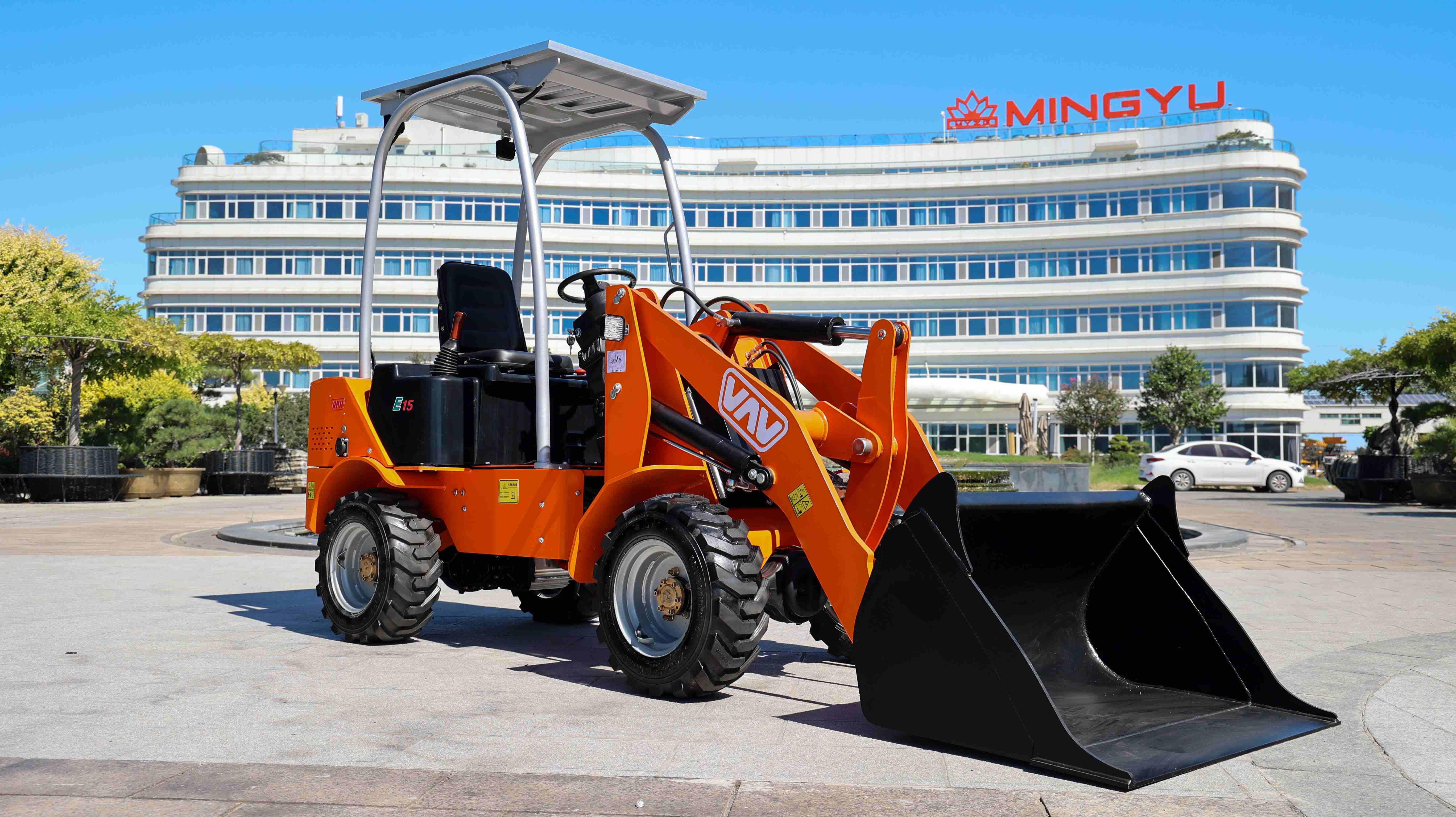
Confirm the rated operating capacity, operating weight, bucket capacity, engine power, transmission type, axle specifications, hydraulic system, tire size, and overall dimensions.
Bucket capacity alone does not determine how much material a machine can safely handle. Material density, bucket fill factor, machine stability, and rated operating capacity must also be considered.
The configuration should match the intended application rather than simply offer the largest specifications for the lowest price.
8.3 Request Inspection and Testing
Before shipment, request photographs, operating videos, inspection records, and functional test results where available.
Important checks include engine starting, steering, braking, boom lifting, bucket tilting, transmission operation, lighting, and the condition of visible hoses and connections. Buyers may also arrange an independent pre-shipment inspection if the order value or application justifies the additional cost.
Factory testing provides useful evidence of the machine's condition at delivery, although it cannot guarantee that future failures will never occur.
8.4 Confirm Export Compliance
Import requirements differ between countries. Buyers should verify applicable emissions standards, safety requirements, certification documents, customs documentation, and any local registration or inspection obligations.
Confirm these requirements before production to avoid delays, unexpected modification costs, or difficulties clearing customs.
8.5 Review Warranty Terms
A warranty should clearly identify its duration, coverage, exclusions, and claim procedures. Check whether major components are covered and whether the manufacturer requires specific maintenance procedures to maintain warranty eligibility.
Also clarify who pays for replacement parts, international freight, labor, and any on-site service. Written terms are more useful than general promises of after-sales support.
9. Maintenance Practices That Extend Service Life
Correct maintenance is essential for keeping a Chinese wheel loader reliable over the long term. Buyers should follow the manufacturer's maintenance schedule and adjust inspections according to operating conditions and workload.
Engine oil, transmission oil, hydraulic oil, coolant, and filters should be checked or replaced at the specified intervals. The correct fluid grades and replacement procedures should always be used.
Daily inspections can identify problems early. Operators should check for visible leaks, damaged hoses, loose connections, abnormal noises, tire damage, and unusual changes in engine or hydraulic performance. Cooling systems and air filters need particular attention in dusty environments.
Operating practices are equally important. Avoid overloading the bucket, unnecessary high-speed travel over rough ground, and aggressive movements that place excessive stress on the drivetrain and frame. Allow the engine and hydraulic system to reach suitable operating conditions according to the manufacturer's instructions.
Operators should receive training on safe loading techniques, attachment use, and basic fault identification. Maintenance records should document operating hours, service work, replacement parts, and recurring problems.
These practices help improve reliability, reduce avoidable downtime, and make it easier to diagnose issues when repairs are necessary.
10. Common Risks and How to Avoid Them
Several purchasing mistakes can undermine the long-term performance of an otherwise suitable wheel loader.
The first is selecting a supplier based only on the lowest price without checking component specifications or manufacturing quality. The second is choosing a machine that does not match the actual workload, material density, climate, or terrain.
Other risks include failing to verify emissions compliance, overlooking warranty exclusions, and neglecting spare-parts arrangements before shipment. Buyers may also overestimate reliability when relying exclusively on promotional claims without supporting inspection records or customer references.
To reduce these risks, request complete specifications, verify the manufacturer's credentials, inspect the machine before shipment, and agree on written warranty and after-sales terms. A structured purchasing process can help prevent avoidable costs and improve the likelihood of successful long-term operation.
11. Conclusion: Are Chinese Wheel Loaders a Good Long-Term Investment?
Chinese wheel loaders can be a reliable long-term investment for overseas buyers when the machine is selected carefully, manufactured to appropriate quality standards, and maintained correctly. Improvements in manufacturing capabilities and the availability of different configurations have created more choices for importers, contractors, dealers, and equipment rental businesses.
However, reliability varies between manufacturers and models. Engine and drivetrain quality, hydraulic performance, structural strength, working conditions, and spare-parts availability all influence long-term results.
Before purchasing, buyers should compare technical specifications, inspect the machine, confirm export compliance, review warranty conditions, and evaluate total cost of ownership rather than focusing exclusively on the initial price.
Post time:Oct.13.2026
